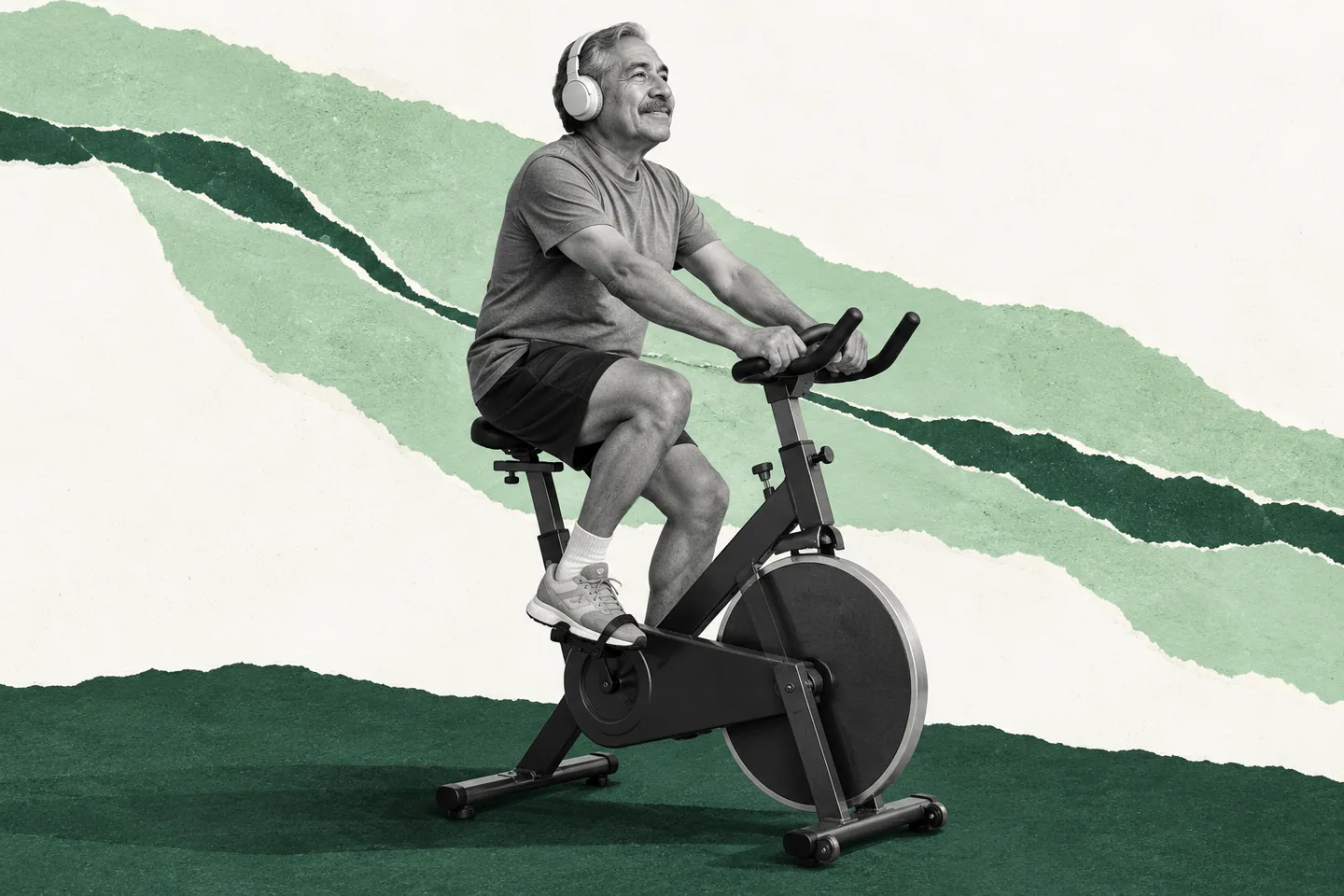
Temptation Bundling: Pair What You Want With What You Need
What temptation bundling is, what the original gym and audiobook study found, examples for exercise, chores and study, and how to make it work.
You love a gripping audiobook. You don’t love the gym. What if you only let yourself listen to the audiobook at the gym?
That’s temptation bundling: pairing something you want to do with something you should do, so the “want” pulls you toward the “should.” This guide explains the idea, the research behind it, and examples you can use. It’s part of our rewards and motivation guides.
Where the idea comes from
The term comes from behavioral scientist Katy Milkman and colleagues. In a 2014 study, gym members who could only access tempting audiobooks while at the gym visited the gym more often than a comparison group, at least at first. The effect weakened over time, especially after a holiday break, but the study showed that pairing a pleasure with a chore can make the chore more appealing.
Milkman discusses the idea further in her book How to Change (2021).
Why it works
Many good habits have delayed rewards: fitness, savings and skills pay off later. Temptations have immediate rewards. Temptation bundling adds an immediate reward to the good habit, which helps bridge the gap. See immediate vs delayed gratification.
It also reduces guilt: you enjoy the temptation while doing something useful.
Temptation bundling examples
| Should do | Want to do | Bundle |
|---|---|---|
| Exercise | Audiobooks, podcasts | Only listen while walking or at the gym |
| Chores | A favorite show | Only watch while ironing or folding laundry |
| Study | A fancy coffee | Only buy it when studying at the café |
| Admin and email | A playlist you love | Only play it during admin blocks |
| Cooking | A podcast | Only listen while cooking |
| Walking | Calls with a friend | Catch up while walking |
How to make it work
- List temptations you enjoy: shows, podcasts, treats, music, a nice café.
- List should-do habits you avoid.
- Pair them, ideally where the temptation fits naturally into the habit.
- Make the rule clear: the temptation only happens during the habit.
- Refresh it when the bundle loses its pull: new podcast, new show.
Make the rule easy to keep
The strict version (never listen outside the gym) is the most effective but hardest. If that’s too much, use a softer rule: a specific series or playlist reserved for the habit.
Limits
- The pull fades if the temptation gets boring or if you take a long break.
- Some habits need full attention. Bundling a show with study usually backfires.
- Choose healthy temptations. A daily sugary treat as the reward can create a new problem.
Combining with other strategies
Temptation bundling works well with a fixed time and other people. For example: “Every Tuesday and Thursday at 7, I walk with my podcast,” or a booked session where you study with your favorite playlist alongside others.
Disclosure: Cohorty publishes this journal. In Cohorty you book a 30-minute session for a habit and do it alongside others, with no camera or chat. Pair it with a playlist or a drink you save for sessions. See how to use Cohorty.
For more on rewards, see the science of rewards and habit motivation.
Common questions
What is temptation bundling?
Pairing something you enjoy with a habit you should do, so the enjoyable thing motivates you to do the habit.
Who came up with temptation bundling?
Behavioral scientist Katy Milkman and colleagues, who studied it with gym members and audiobooks in 2014.
What are examples of temptation bundling?
Listening to a favorite podcast only while exercising, watching a show only while doing chores, or having a special coffee only while studying.
Does temptation bundling work long-term?
It can help, especially at the start. Effects can fade, so refresh the temptation and combine bundling with fixed times and support.