Active Recall: The Study Method That Beats Rereading
What active recall is, why testing yourself beats rereading, seven active recall techniques with examples, and how to use it in every study session.
Rereading your notes feels productive. The words look familiar, the highlights are neat, and you finish feeling like you know it. Then the exam asks you to produce the answer from memory, and it isn’t there.
Active recall fixes that gap. Instead of putting information into your head again, you practice pulling it out: closing the book and trying to remember. This guide explains why it works, gives seven techniques, and shows how to make it part of every study session. It’s part of our study habits guides.
Active recall vs passive reading
| Passive study | Active recall |
|---|---|
| Rereading notes | Writing what you remember with the book closed |
| Highlighting | Answering questions about the text |
| Watching a lecture again | Explaining the topic out loud from memory |
| Copying notes neatly | Making and using flashcards |
| Looking at worked examples | Solving problems without looking |
Passive study builds familiarity: the feeling of “I’ve seen this.” Active recall builds retrieval: the ability to produce it when needed. Exams test retrieval.
Why it works: the testing effect
Psychologists call it the testing effect or retrieval practice. In well-known experiments, students who practiced recalling material remembered much more a week later than students who spent the same time rereading it, even though the rereaders felt more confident right after studying.
Reviews of learning research have consistently rated practice testing among the most effective study techniques, and highlighting and rereading among the least. Each time you retrieve something, you strengthen the memory and learn what you don’t know yet.
It also feels harder. That difficulty is part of why it works.
Seven active recall techniques
1. Blank page recall
After reading a section, close the book and write down everything you remember. Then check and fill gaps in a different color.
2. Flashcards
A question on one side, the answer on the other. Say the answer before flipping. Combine with spaced repetition to review at the right times.
3. Practice questions and past papers
Use end-of-chapter questions, question banks or past exam papers. Do them without notes first, then check.
4. Turn headings into questions
Before reading a section titled “Causes of the French Revolution,” write “What caused the French Revolution?” After reading, answer it from memory.
5. Teach it
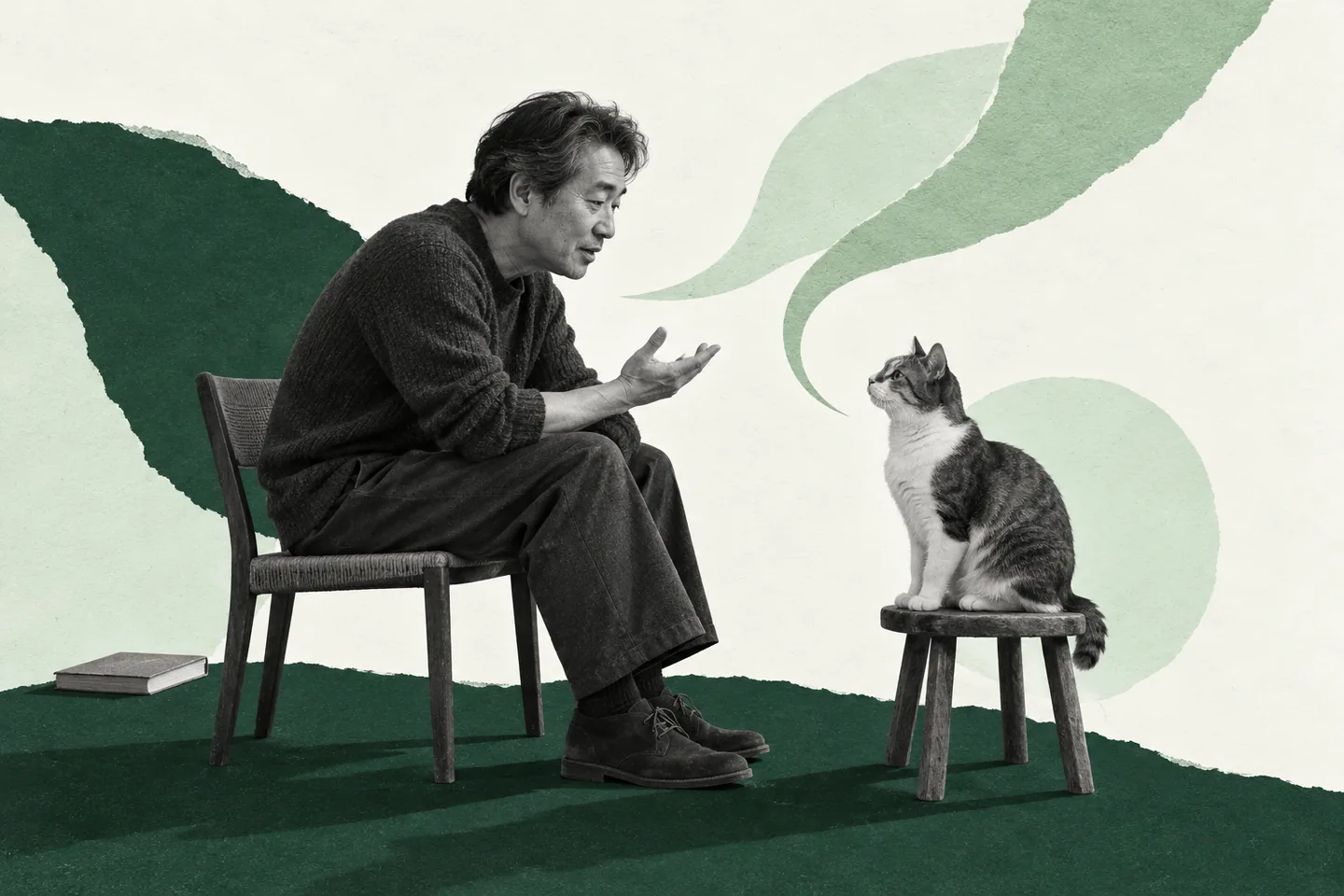
Explain the topic out loud to a friend, a pet or an empty room, without notes. Wherever you get stuck is what to review.
6. Cornell-style questions in notes
Leave a margin in your notes for questions. Later, cover the notes and answer the questions. See note-taking methods.
7. Brain dump before a session
Start each study session by writing everything you remember from last time. It takes five minutes and turns every session into a review.
How to build active recall into a study session
A simple 30-minute session:
| Minutes | Step |
|---|---|
| 0–5 | Brain dump from the last session |
| 5–15 | Read or watch new material (actively: questions in mind) |
| 15–25 | Close it; answer questions or blank page recall |
| 25–30 | Check, mark gaps, write tomorrow’s first question |
The study habits guide shows how to fit sessions like this into a week.
Making it a habit
Active recall is harder than rereading, so it’s easy to slide back into passive study. A few things help:
- Set a rule: no session ends without a recall step.
- Prepare questions in advance, so you don’t have to think of them while tired.
- Study with others. Quizzing each other, or simply studying at the same time, makes the harder method easier to keep.
Disclosure: Cohorty publishes this journal. In Cohorty you can book a 30-minute study session (“Chapter 6, blank page recall”) and work alongside other students with no camera or chat. See study with me online.
Common questions
What is active recall?
A study method where you practice retrieving information from memory, for example with flashcards, practice questions or writing what you remember, instead of rereading it.
Is active recall better than rereading?
Yes. Research on the testing effect shows that retrieving information leads to better long-term memory than spending the same time rereading.
How do I start using active recall?
After each section you study, close the book and write down or say what you remember, then check. Add flashcards and practice questions over time.
Can I use active recall for every subject?
Yes. For facts, use flashcards. For concepts, explain them from memory. For maths and sciences, solve problems without looking at the worked examples.