Micro-Breaks: Short Breaks That Help You Recover at Work
What micro-breaks are, what research says about short breaks and fatigue, ten micro-break ideas under five minutes, and how to build them into a busy workday.
Long days at a desk often go like this: you work for hours without moving, feel drained by mid-afternoon, then lose the evening to tiredness. Many people skip breaks because they feel there’s no time.
Micro-breaks are short pauses of a few seconds to a few minutes taken during work. They’re easy to fit in and can help you feel less tired. This guide covers what research says, ideas you can use, and how to make them a habit. It’s part of our daily routine guides.
Note: micro-breaks can help with everyday fatigue, but they don’t fix chronic overwork or burnout. If you feel exhausted most days, detached from work or unable to recover over weekends, talk to a doctor and, if possible, your manager.
What research says
A 2022 meta-analysis of studies on micro-breaks (breaks of 10 minutes or less) found they were associated with higher feelings of vigor and lower fatigue. Effects on performance were smaller and depended on the task, with clearer benefits for routine or creative work than for highly demanding cognitive tasks.
In short: micro-breaks reliably help you feel better, and may help you work better, especially when you take them regularly.
Ten micro-break ideas (under 5 minutes)
| Idea | Time |
|---|---|
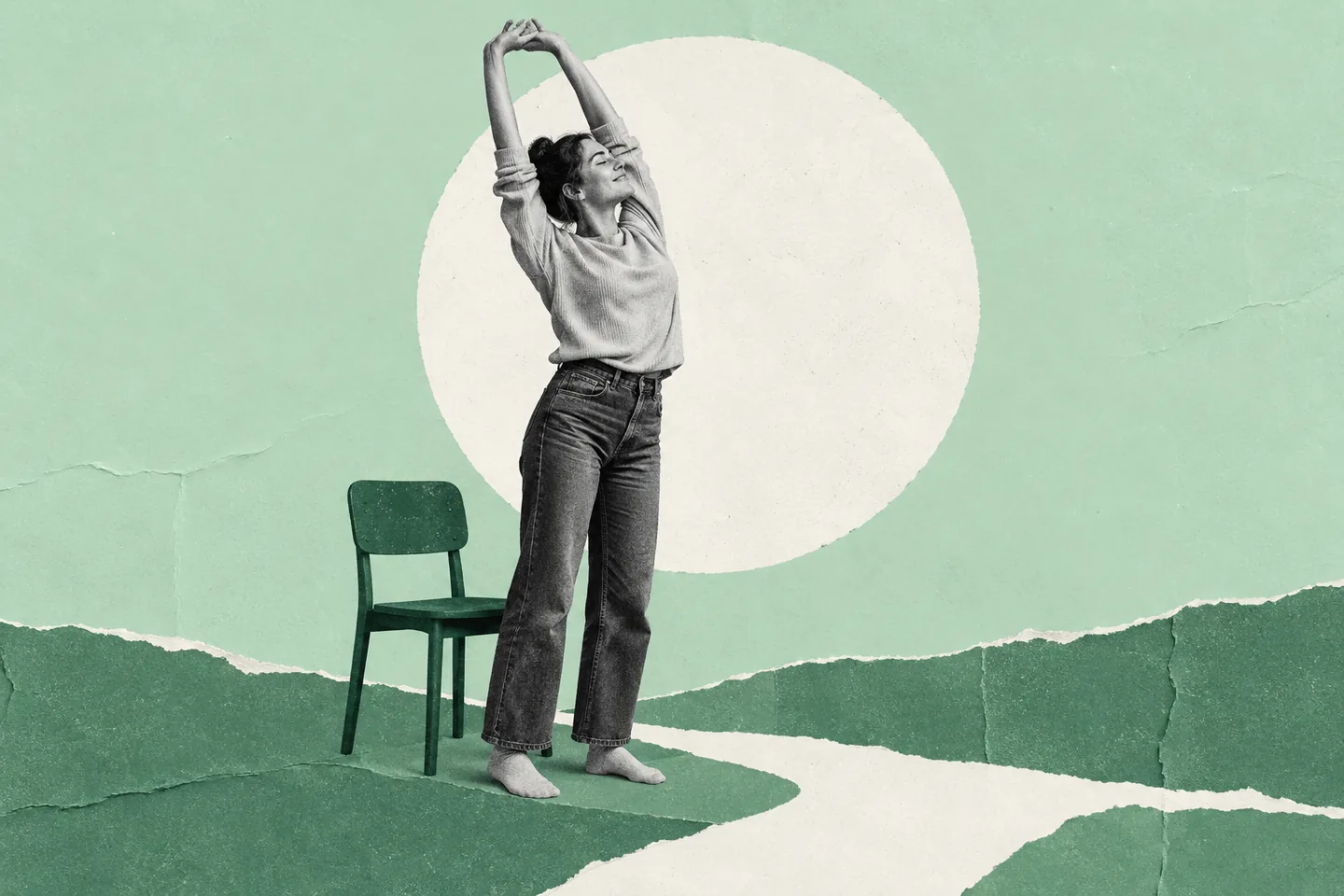
| Stand up and stretch | 1 minute |
| Walk to get water | 2 minutes |
| Look out of a window at something far away | 30 seconds |
| Five slow breaths | 30 seconds |
| Shoulder rolls and neck stretches | 1 minute |
| Step outside for fresh air | 3–5 minutes |
| A short walk around the floor or block | 5 minutes |
| A snack away from the desk | 5 minutes |
| A quick chat with a colleague (not about work) | 3 minutes |
| Listen to one song with eyes closed | 3–4 minutes |
What helps most is a change: of posture, of view, of activity. Scrolling your phone usually isn’t much of a break for your attention.
How to build micro-breaks into your day
- Attach them to natural points: the end of a focus block, after a meeting, after sending a big email.
- Use timed blocks: work 25 to 50 minutes, then take a short break. See the Pomodoro guide.
- Keep a short list of break ideas at your desk.
- Leave the screen. Physically move if you can.
Micro-breaks and posture
Many desk aches come from staying still for too long. Changing position regularly is one of the simplest things you can do; see how to improve posture.
Bigger breaks matter too
Micro-breaks complement, not replace:
- A real lunch break away from the desk.
- A clear end to the workday; see how to decompress after work.
- Sleep and days off.
Disclosure: Cohorty publishes this journal. Working in 30-minute Cohorty sessions creates natural break points: finish the session, stand up, stretch, then book the next one. See how Cohorty sessions work.
Common questions
What is a micro-break?
A short pause during work, from a few seconds to about 10 minutes, such as stretching, getting water or looking away from the screen.
Do micro-breaks really help?
Research suggests they reduce fatigue and increase feelings of energy. Effects on performance are smaller and depend on the type of work.
How often should I take micro-breaks?
Many people take one every 25 to 60 minutes, at the end of a focus block or meeting.
Is checking my phone a good break?
Usually not much of a rest for your attention. Moving, looking into the distance or stepping outside tends to help more.