How to Cut Back on Caffeine Without Withdrawal
How to cut back on caffeine gradually: how much is too much, why withdrawal headaches happen, a two-week taper, and swaps for afternoon coffee.
Coffee is one of the most loved daily habits, and for most people moderate amounts are fine. But if you’re on your fourth cup by 3 PM, sleeping badly, or feeling jittery, you might want to cut back.
Stopping suddenly often brings headaches and fatigue. This guide shows how to cut back on caffeine gradually, so you can reduce it without the worst of the withdrawal. It’s part of our health habits guides.
Note: if you’re pregnant, have a heart condition, anxiety, or take medication, ask a doctor about caffeine limits that apply to you.
How much caffeine is too much?
Health authorities such as the US Food and Drug Administration say that up to around 400 mg of caffeine a day is generally not associated with harmful effects for healthy adults. That’s roughly three to four cups of brewed coffee, though cups and strengths vary a lot. Lower limits (often around 200 mg a day) are usually advised during pregnancy.
Signs you might be having more than suits you: trouble sleeping, jitteriness, a racing heart, anxiety or headaches when you skip your usual coffee.
Caffeine is also in tea, energy drinks, cola, some soft drinks, chocolate and some medicines.
Why stopping suddenly is hard
Regular caffeine use leads to some tolerance. When you suddenly stop, many people get withdrawal symptoms such as headache, tiredness, low mood and difficulty concentrating. These usually begin within a day and can last from a few days to about a week or so. Cutting back gradually reduces or avoids them.
A two-week tapering plan
| Days | Change |
|---|---|
| 1–3 | Track what you drink now (cups, sizes, times) |
| 4–6 | Replace one cup a day with decaf or half-caf |
| 7–9 | Replace a second cup, or make cups smaller |
| 10–12 | Move your last caffeinated drink earlier, ideally before early afternoon |
| 13–14 | Settle at your new level; review sleep and energy |
Go slower if you get headaches. Reducing by about one cup every few days is gentle enough for most people.
Replace the habit, not just the caffeine
Coffee is often more than caffeine: a break, a ritual, a reason to step away from the desk. Keep the ritual and change what’s in the cup:
- Decaf or half-caf for the same taste.
- Herbal tea in the afternoon.
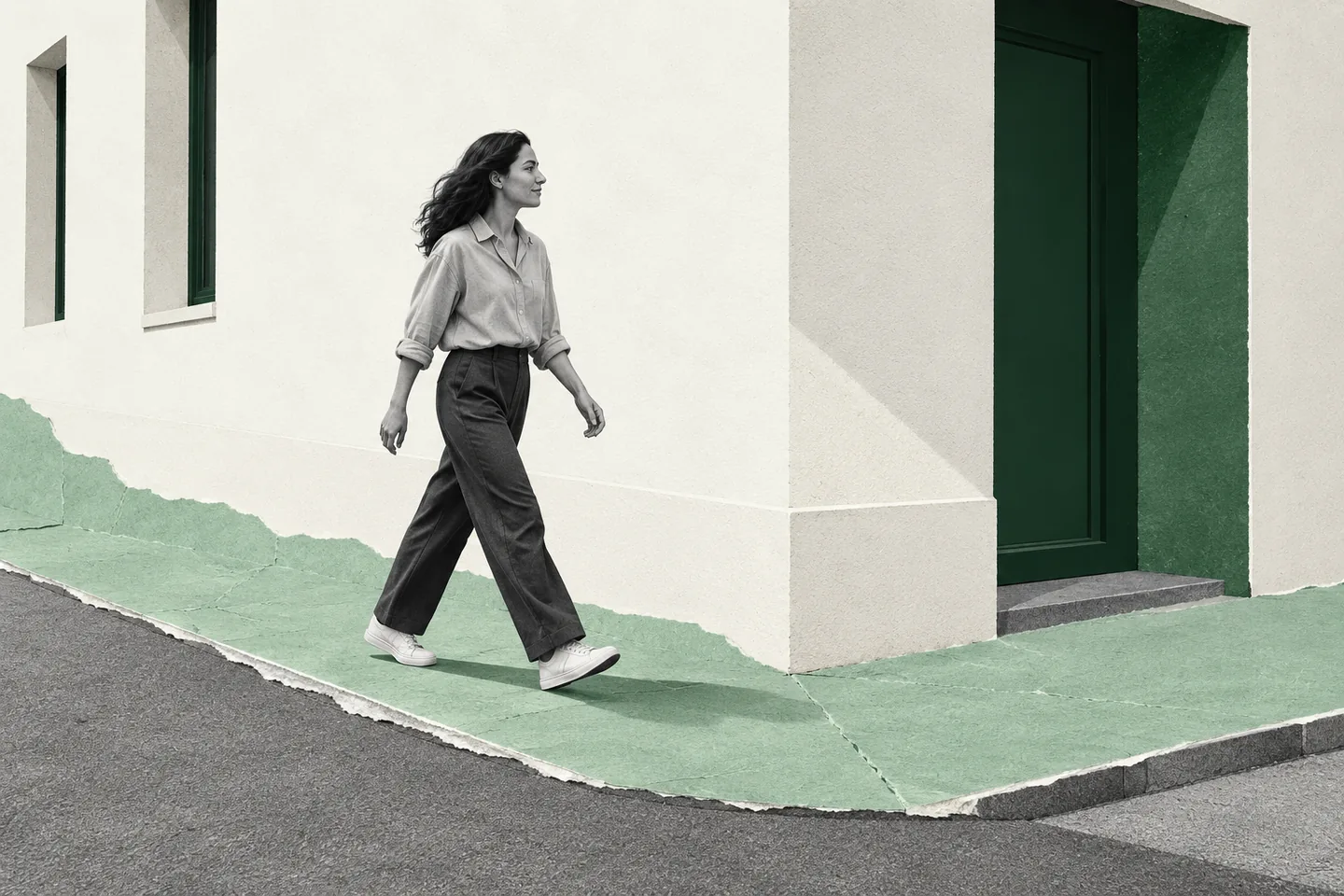
- A short walk instead of the mid-afternoon coffee break. See the walking habit.
- Water first: a glass before each coffee. See how to drink more water.
Fix the energy dip, not just the coffee
Many people drink more caffeine to cover poor sleep. Improving sleep often reduces the need for it:
- Keep caffeine to earlier in the day; it can affect sleep many hours later.
- Use an evening routine and a consistent wake time.
- Get daylight and movement in the morning.
Keep it going
- Set a caffeine cut-off time and keep it.
- Decide your daily limit (for example two cups) and pour it deliberately.
- Notice how you feel after two weeks: sleep, energy, anxiety.
For other habits to change, see how to break bad habits.
Common questions
How much caffeine is safe per day?
For most healthy adults, up to about 400 mg a day is generally not associated with harmful effects. Lower limits apply in pregnancy and for some health conditions.
How long does caffeine withdrawal last?
Symptoms often start within a day of stopping and usually ease within about a week. Cutting back gradually can reduce them.
What’s the best way to cut back on caffeine?
Reduce gradually, by about one cup every few days, swap some drinks for decaf or herbal tea, and keep caffeine to earlier in the day.
Will cutting back on caffeine help my sleep?
For many people, yes, especially if they drink caffeine in the afternoon or evening.