Habit Relapse: Lapse vs Relapse and How to Recover
Why habit relapse happens, lapse vs relapse, the 'what the hell' effect, high-risk situations, and a recovery plan to get back on track.
You stopped snacking at night for three weeks. Then one stressful evening you had a biscuit, then the packet, and the next night felt pointless to resist. By the weekend, the old habit was back.
That pattern has been studied in depth in research on addiction and behavior change. The good news: understanding it makes habit relapse much easier to prevent and recover from. This guide is part of our consistency guides.
Note: if you’re dealing with relapse in addiction (alcohol, drugs, gambling), professional support makes a big difference. Talk to a doctor or a specialist service.
Lapse vs relapse
Relapse prevention models, developed by psychologists such as G. Alan Marlatt, distinguish between:
- A lapse: a single slip, like one cigarette or one skipped workout.
- A relapse: returning to the old pattern fully.
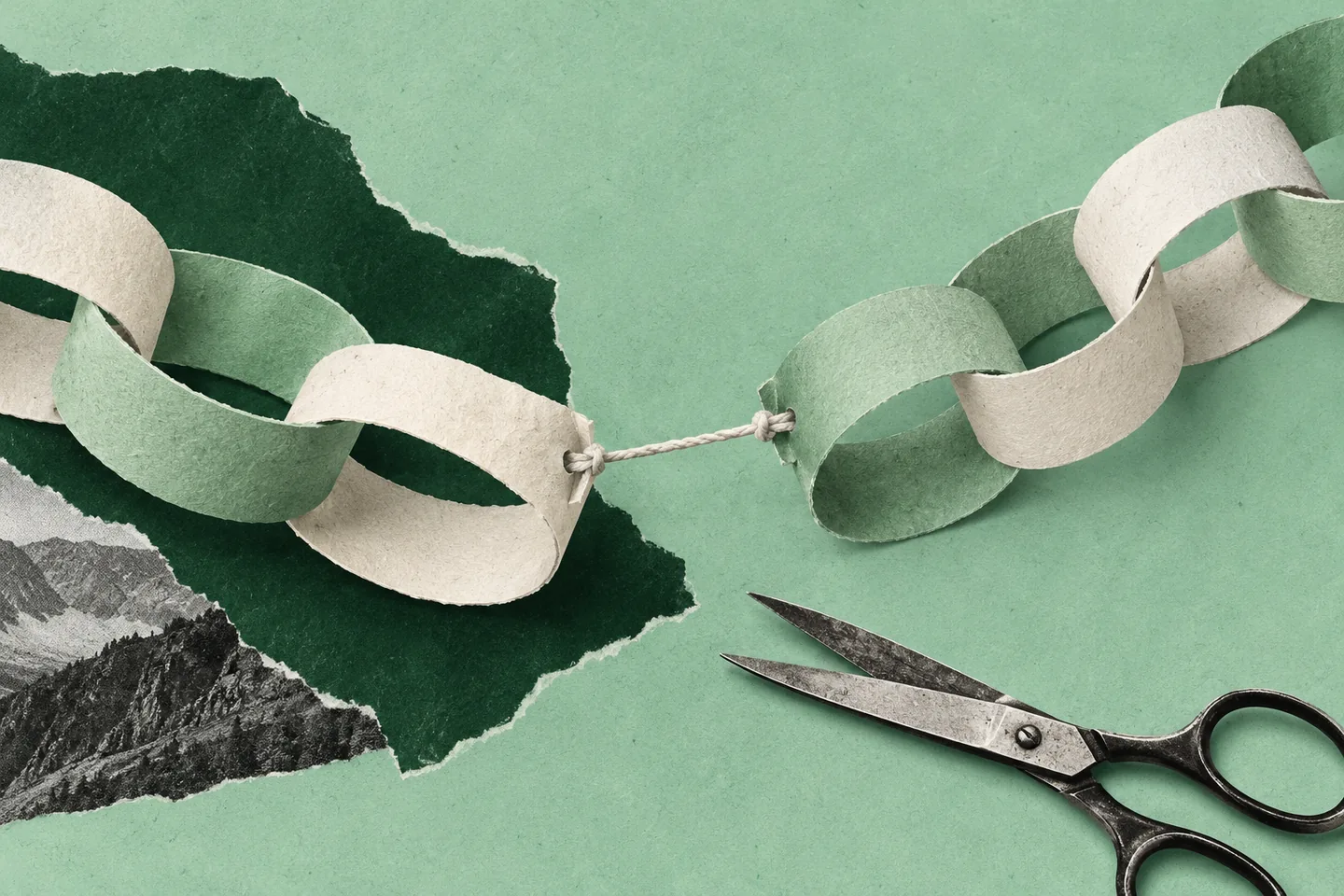
A lapse doesn’t have to become a relapse. What happens in your head after the lapse is often what decides it.
The “what the hell” effect
Marlatt described an abstinence violation effect: after breaking a rule, people often think “I’ve failed, so it doesn’t matter anymore,” and give up completely. In diet research, this is sometimes called the “what the hell” effect.
All-or-nothing thinking turns a small slip into a full relapse.
Why relapses happen
- High-risk situations: stress, tiredness, certain places, certain people.
- Cues still present: the old trigger is still there.
- No replacement: the need the habit met isn’t met another way.
- All-or-nothing rules: one slip feels like total failure.
- Life changes: travel, illness, a new job remove the routines you relied on.
How to prevent relapse
1. Know your high-risk situations
List the times, places, feelings and people linked to the old habit. Plan for each.
2. Write if-then plans
“If I’m stressed after work, then I’ll go for a 10-minute walk before going into the kitchen.” See implementation intentions.
3. Keep cues out of reach
Remove or hide the old trigger; see habit friction.
4. Have a replacement
Meet the same need differently. See how to break bad habits.
How to recover after a lapse
- Name it as a lapse, not a failure. “I slipped once.”
- Be kind to yourself. Self-criticism fuels the “what the hell” effect. See self-compassion.
- Ask what triggered it. What situation, feeling or cue?
- Adjust the plan for that trigger.
- Return at the next opportunity. Don’t wait for Monday. See the never-miss-twice rule.
For habits you’re building
Relapse applies to good habits too: you stop exercising for a month after a holiday. The same steps apply: name it, be kind, find the trigger, restart small. See what to do after you break a streak.
Disclosure: Cohorty publishes this journal. Cohorty doesn’t track streaks, so a lapse doesn’t show up as a reset. You book the next 30-minute session and start again alongside others. See how to use Cohorty.
Common questions
What is the difference between a lapse and a relapse?
A lapse is a single slip. A relapse is a return to the old pattern. A lapse doesn’t have to become a relapse.
Why do I relapse after doing well?
Common reasons are high-risk situations, old cues still present, no replacement behavior, stress and all-or-nothing thinking after a slip.
How do I get back on track after a relapse?
Treat it as information, be kind to yourself, identify the trigger, adjust your plan and restart at the next opportunity with a small step.
What is the abstinence violation effect?
The tendency, described by psychologist G. Alan Marlatt, to give up completely after breaking a rule, because one slip feels like total failure.