Habit Friction: Make Good Habits Easier, Bad Ones Harder
How to use habit friction: remove steps from habits you want, add steps to habits you don't. The 20-second idea, examples and common mistakes.
Small obstacles change behavior far more than they seem like they should. An extra click, a drawer instead of a desk, shoes upstairs instead of by the door: each adds a little friction, and friction quietly decides many of your daily choices.
The principle is simple: remove friction from habits you want, and add friction to habits you don’t. This guide shows how, with examples for common habits. It’s part of our environment design guides; for the bigger picture, start with environment design for habits.
Why small barriers work
Most habits run on autopilot. When the easy path leads to the behavior, it happens; when a small barrier appears, the autopilot often stops, and you have a moment to choose.
This is why friction tends to work better than motivation for automatic behaviors like snacking, scrolling or skipping workouts. You don’t have to resist the urge every time. You just make the default path a little longer.
Shawn Achor described a version of this as the 20-second rule: making a good habit about 20 seconds easier to start (or a bad habit 20 seconds harder) can be enough to shift behavior. Treat the exact number as a rule of thumb; the principle is what matters.
Reducing friction for good habits
Ask: “What are all the steps between me and this habit?” Then cut as many as you can.
| Habit | Friction | Remove it by |
|---|---|---|
| Morning run | Finding clothes, shoes, headphones | Lay everything out the night before |
| Reading | Finding the book, choosing what to read | Book on the pillow, next book already chosen |
| Healthy eating | Washing and chopping | Prep vegetables once for several days |
| Drinking water | Getting up to fill a glass | Full bottle on the desk |
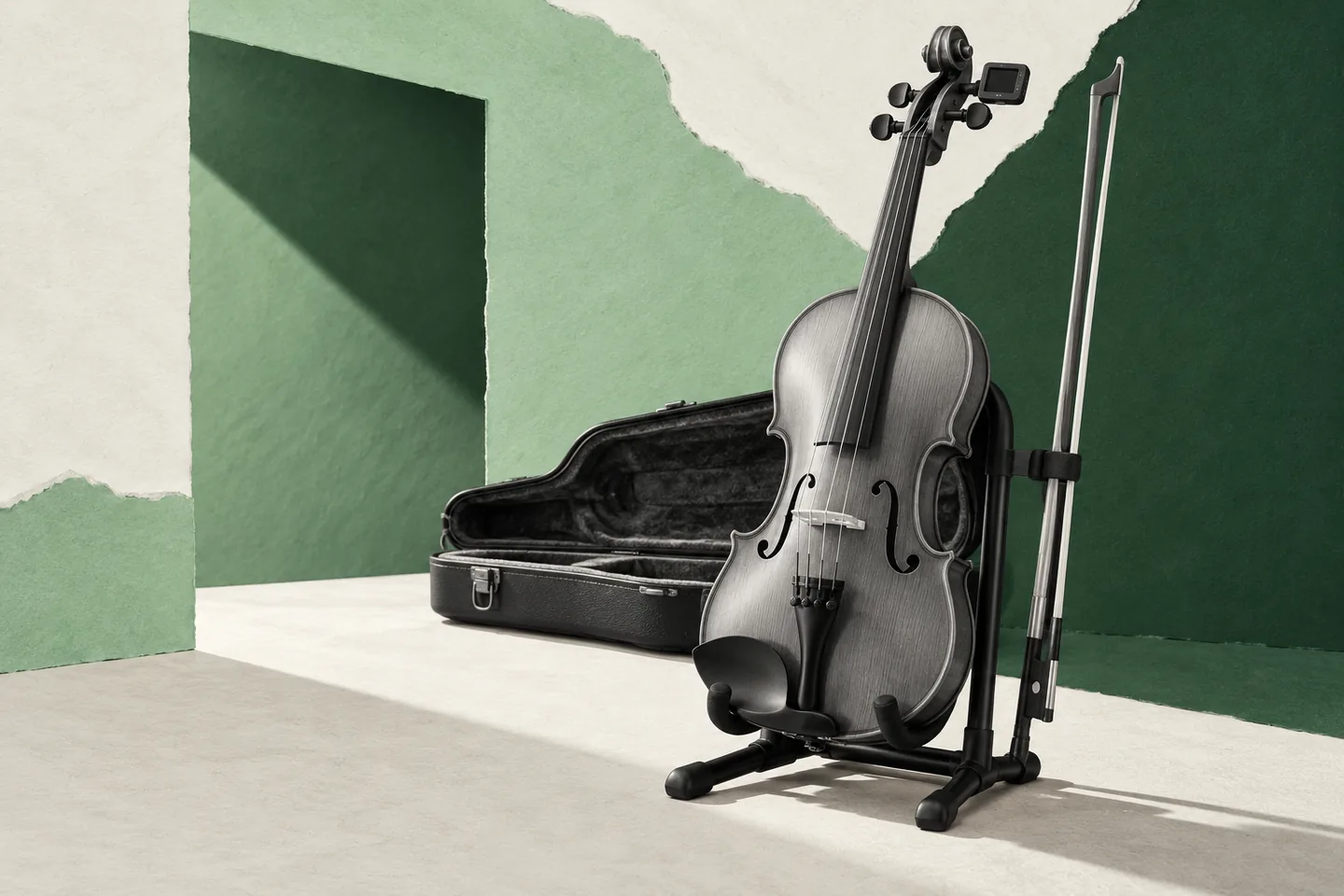
| Practice an instrument | Taking it out of the case, tuning | Instrument on a stand, tuner attached |
| Focused work | Deciding what to do, opening files | Write tomorrow’s first task and leave the file open |
| Gym | Packing, distance | Bag packed by the door, gym on your route |
Adding friction to bad habits
Ask: “How can I add one or two steps?”
| Habit | Add friction by |
|---|---|
| Scrolling social media | Delete apps from the phone; use only in a browser; log out after each use |
| Snacking | Keep snacks out of the house, or in an opaque container on a high shelf |
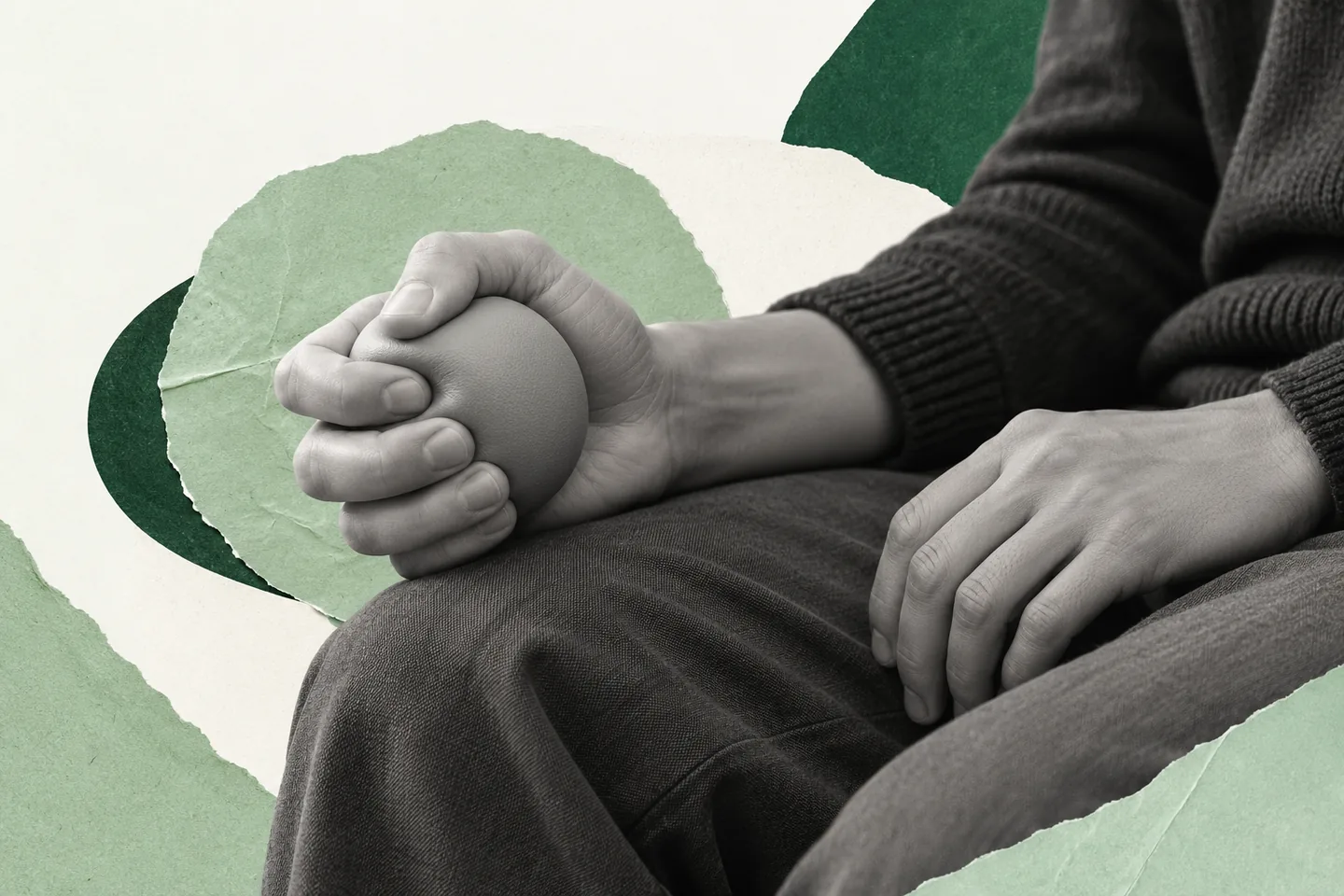
| Nail biting | Keep nails short, use bitter polish, keep a fidget toy where you bite (full guide) |
| Evening drinking | Keep less alcohol at home, stock alcohol-free drinks you like (full guide) |
| Online shopping | Remove saved card details; wait 24 hours before buying |
| TV bingeing | Unplug after use; remove autoplay; remote in a drawer |
| Phone in bed | Charge it in another room |
| Checking email constantly | Close the email tab; check at set times only |
For phones specifically, see how to stop scrolling, which goes step by step through phone friction.
Social friction
Other people can add or remove friction too.
- Remove friction: a friend who’s already ready to go for a walk, or a class that starts on time whether you planned it or not.
- Add friction: telling someone your goal makes skipping slightly more awkward.
- Shared start times: when you’ve booked a time with others, starting is the default and skipping takes a decision.
Disclosure: Cohorty publishes this journal. Cohorty removes friction from starting: you book a 30-minute session, and when it opens, one tap puts you in a room with others doing their own habits, with no camera or chat. See how Cohorty sessions work.
Common mistakes
- Adding too much friction to good habits by over-planning. A perfect setup you never use is worse than a simple one you do.
- Making bad habits only slightly harder when the cue is still visible. Combine friction with removing the cue: out of sight and harder to reach.
- Changing everything at once. Change one or two things, see the effect, then adjust.
- Forgetting that friction fades. After a while, you’ll get used to the extra steps. Refresh them, or add a second barrier.
A one-week friction plan
| Day | Action |
|---|---|
| 1 | List one good habit and one bad habit |
| 2 | Write every step between you and each |
| 3 | Remove one step from the good habit |
| 4 | Add one step to the bad habit |
| 5 | Make the good habit’s cue visible; hide the bad habit’s cue |
| 6 | Add a social element: a time, a friend or a group |
| 7 | Review: what changed? Keep what worked |
Common questions
What is friction in habits?
The effort, steps or time between you and a behavior. Less friction makes a habit more likely; more friction makes it less likely.
How do I add friction to bad habits?
Add steps (log out, unplug, put it in another room), hide the cue, and make the alternative easier.
What is the 20-second rule?
An idea popularized by Shawn Achor: making a good habit roughly 20 seconds easier to start, or a bad habit 20 seconds harder, can shift behavior. It’s a rule of thumb for the general principle of friction.
Does friction work for breaking bad habits?
It’s one of the most practical tools, especially for automatic habits like snacking and scrolling. It works best combined with removing cues and finding a replacement; see how to break bad habits.