How to Stop Biting Your Nails: Methods That Work
How to stop biting your nails: notice your triggers, use habit reversal (a competing response), keep nails short, try bitter polish, manage stress.
Nail biting is one of the most common habits there is, and one of the hardest to stop by simply deciding to. Most biting happens automatically: while reading, watching TV, waiting or feeling stressed. By the time you notice, the damage is done.
The good news is that there are well-tested methods. This guide covers how to stop biting your nails using awareness, habit reversal, physical barriers and stress management. It’s part of our environment design and bad habits guides.
Note: if nail biting causes infections, pain or significant distress, or comes with other repetitive behaviors like skin picking or hair pulling, talk to a doctor or therapist. Body-focused repetitive behaviors are treatable.
Step 1: Notice when you bite
You can’t change what you don’t notice. For a week, keep a quick note each time you catch yourself:
- When: time of day.
- Where: desk, sofa, car.
- What you were doing: reading, watching, on a call, waiting.
- How you felt: bored, stressed, anxious, focused.
Patterns appear quickly. Many people bite during specific activities (screens, reading, driving) or emotions (boredom, stress).
Step 2: Habit reversal: a competing response
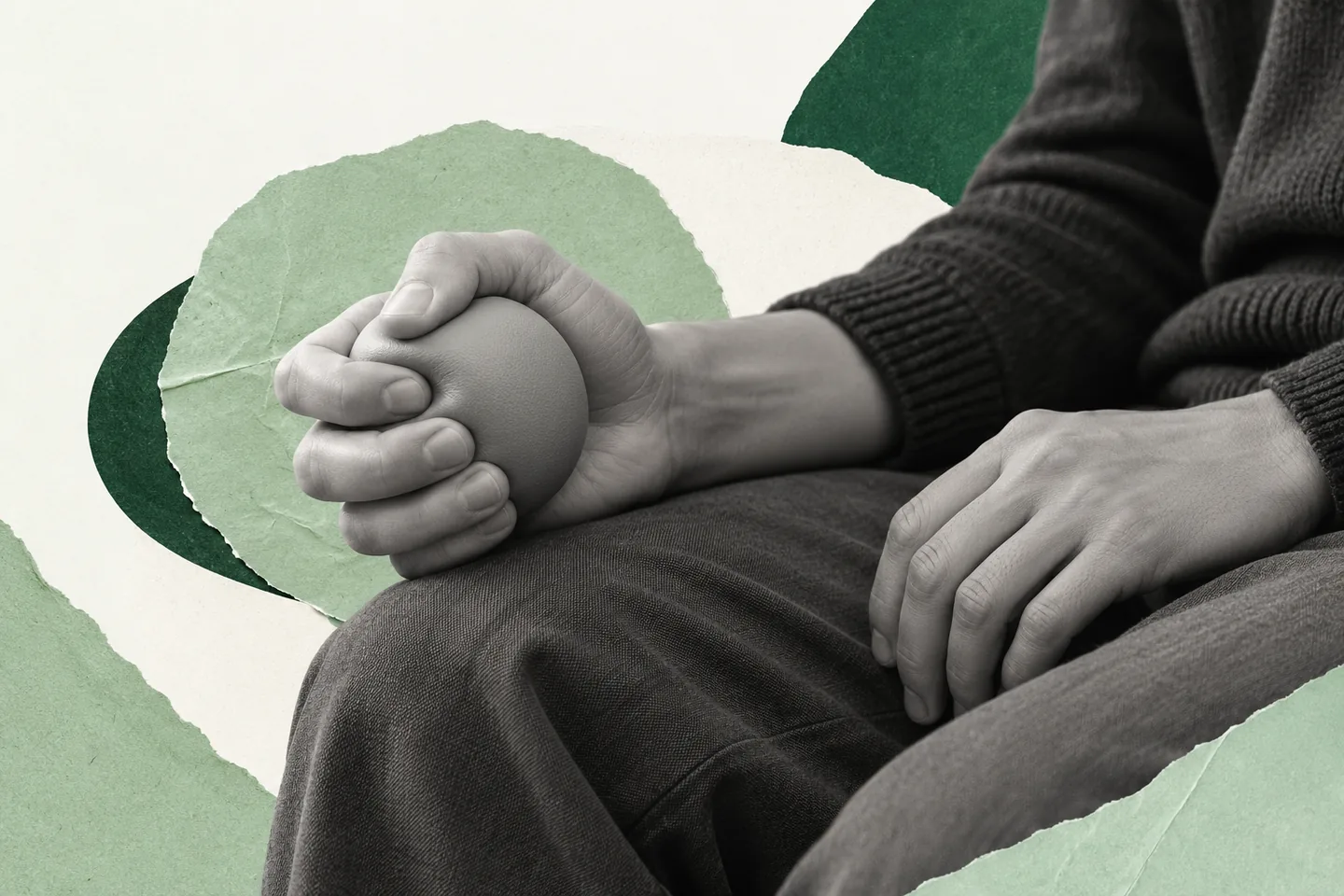
Habit reversal training is one of the best-studied behavioral approaches for nail biting and similar habits. The core idea is to replace biting with a competing response: something you do with your hands that makes biting impossible, for about a minute, whenever you feel the urge or catch yourself biting.
Competing responses that work for many people:
- Make a gentle fist and hold it.
- Sit on your hands or press them flat on your thighs.
- Hold an object: a stress ball, a pen, a fidget toy.
- Interlace your fingers.
Practice it every time, even when the urge is mild. Over weeks, the new response starts to replace the old one.
Step 3: Add physical barriers
Barriers interrupt the automatic habit and give you a moment to choose:
- Keep nails short and smooth. Less to bite, fewer rough edges to pick at.
- Bitter-tasting nail polish (sold for nail biting) makes biting unpleasant.
- Plasters, gloves or fake nails during your worst times, like watching TV.
- Manicures: many people bite less when nails look cared for.
These are a form of habit friction.
Step 4: Keep your hands busy in trigger situations
If you bite while watching TV, keep a fidget toy by the sofa. If you bite while reading or working, keep a stress ball on the desk. Plan for your specific triggers from Step 1.
Step 5: Manage stress and boredom
Biting often soothes stress or fills boredom. Other ways to meet those needs:
- Slow breathing for a minute.
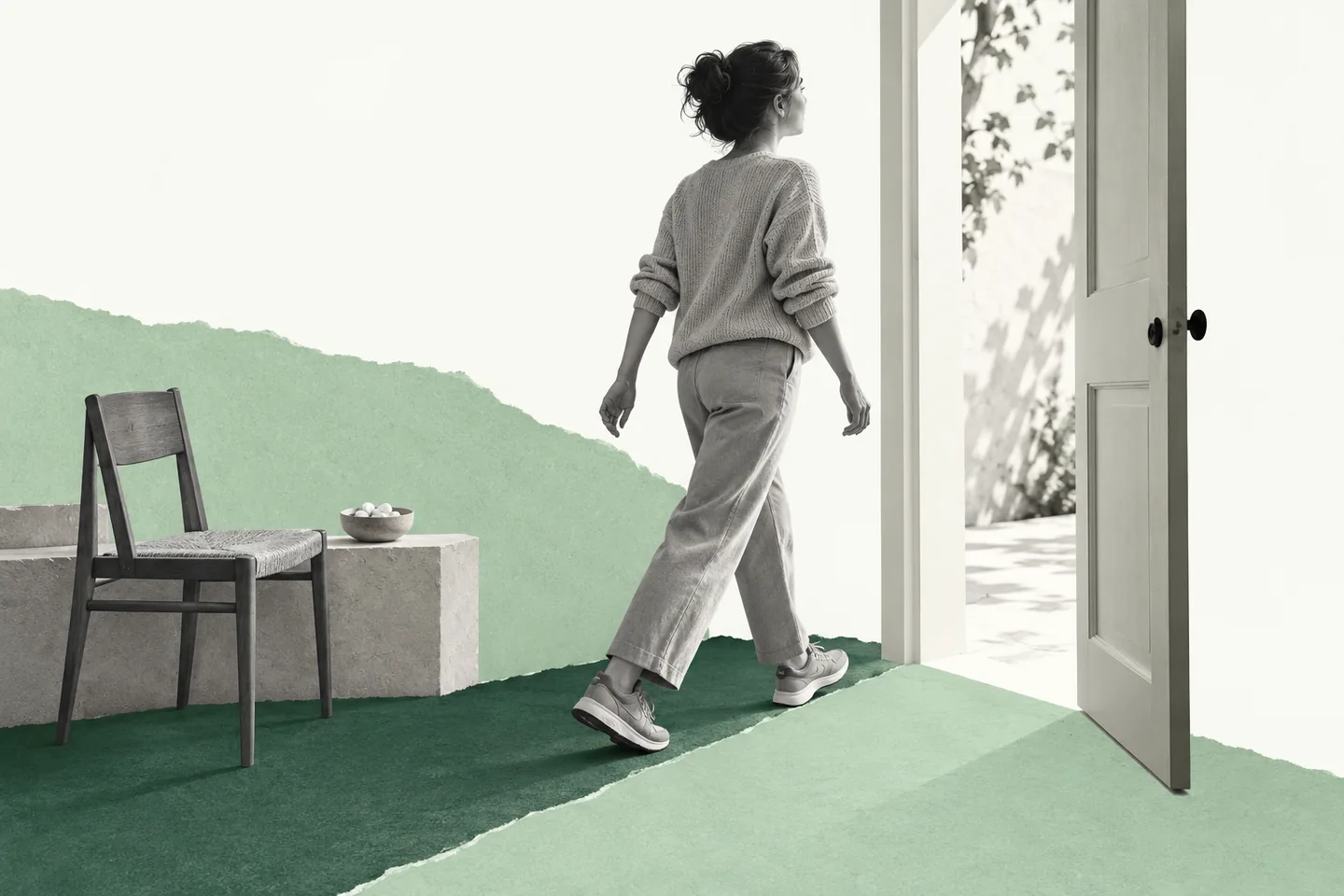
- A short walk or stretch.
- Chewing gum (where appropriate).
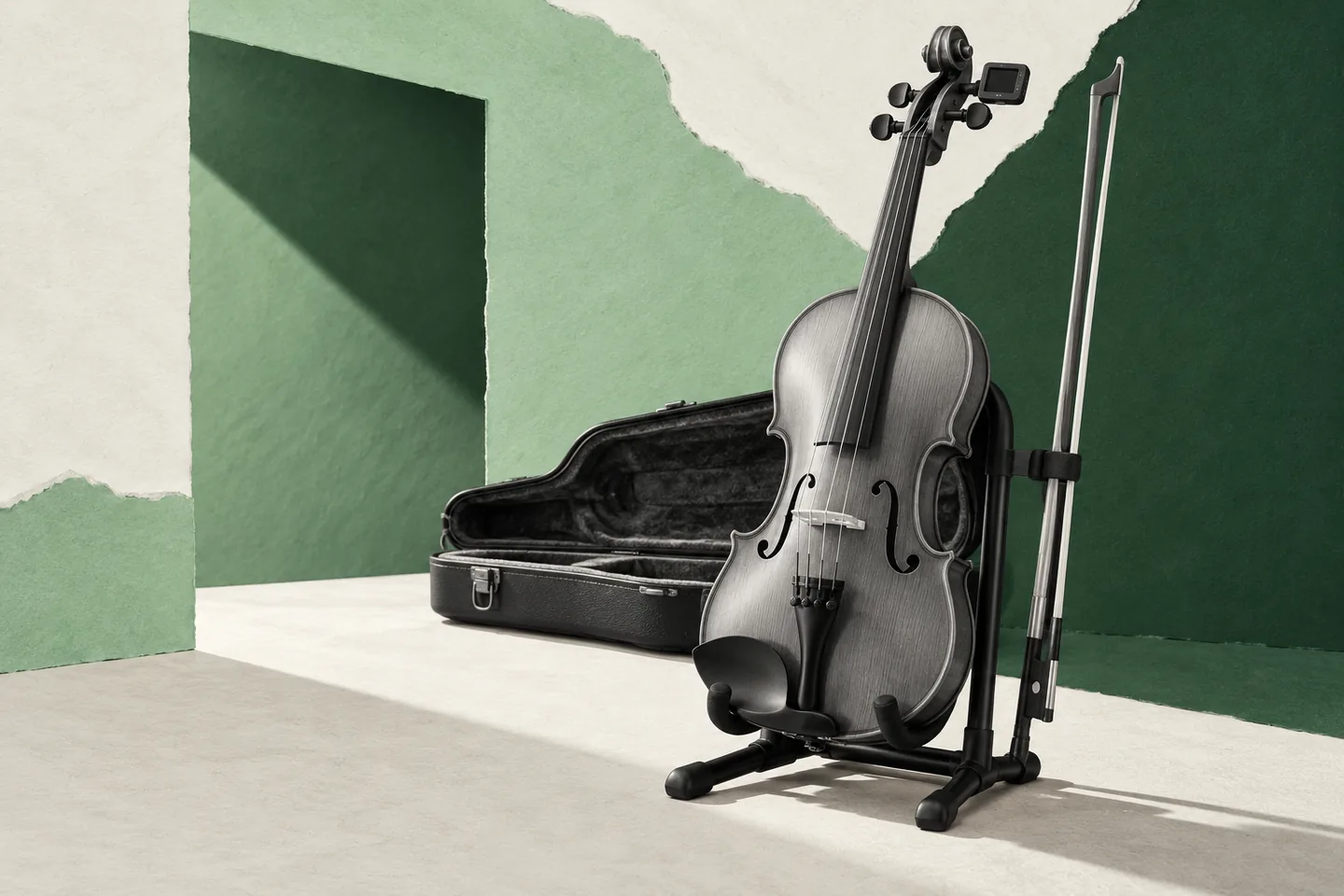
- Doing something with your hands: drawing, knitting, an instrument.
If stress is a big driver, see anxiety management through daily habits.
Step 6: Track progress and expect slips
- Track bite-free days, or nails that have grown.
- Start with one nail or one hand: some people protect one nail at a time and expand.
- Slips are normal. Use the competing response and carry on. Don’t treat one slip as failure.
For the general approach to changing habits like this, see how to break bad habits.
Common questions
Why do I bite my nails?
Common reasons include boredom, stress, anxiety, concentration and habit. Much nail biting happens automatically during specific activities.
What is the most effective way to stop biting nails?
Habit reversal training, which combines awareness of when you bite with a competing response for your hands, is one of the best-supported methods. Physical barriers like short nails and bitter polish help too.
Does bitter nail polish work?
It helps many people by interrupting the automatic habit. It works best combined with awareness and a competing response.
How long does it take to stop biting your nails?
It varies. Many people see progress within a few weeks of consistent practice, but urges can return under stress, so keep the strategies ready.