Habit Science
Environment Design for Habits: Make Good Habits Easy
Environment design for habits: visible cues, less friction for good habits, more for bad ones, and spaces with one job. Examples and a checklist.
10 min readHabit guides / Shape your space
Most daily behavior is cued by what's around you. Use the principles guide to see which cues to change, then apply friction to one bad habit and set up one space, like your desk, for the habit you want.
Environment design for habits: visible cues, less friction for good habits, more for bad ones, and spaces with one job. Examples and a checklist.
10 min readVisible cues, less friction for good habits, more for bad ones, and one job per space.
Environment design for habits: visible cues, less friction for good habits, more for bad ones, and spaces with one job. Examples and a checklist.
10 min readRemove steps from habits you want and add steps to habits you don't.
How to use habit friction: remove steps from habits you want, add steps to habits you don't. The 20-second idea, examples and common mistakes.
8 min readArrange a workspace where the task is the easy choice.
Workspace setup for productivity: one task in view, the phone out of reach, good light and posture, a start ritual, and tips for small spaces.
8 min readCombine cue changes and friction with a replacement behavior.
Learn how to break bad habits using science-backed strategies. Discover why willpower fails and what actually works for lasting change.
20 min readHow to stop biting your nails: notice your triggers, use habit reversal (a competing response), keep nails short, try bitter polish, manage stress.
7 min readHow to quit smoking: set a quit date, use free stop-smoking support and medication, plan for triggers and cravings, change routines, and recover from slips.
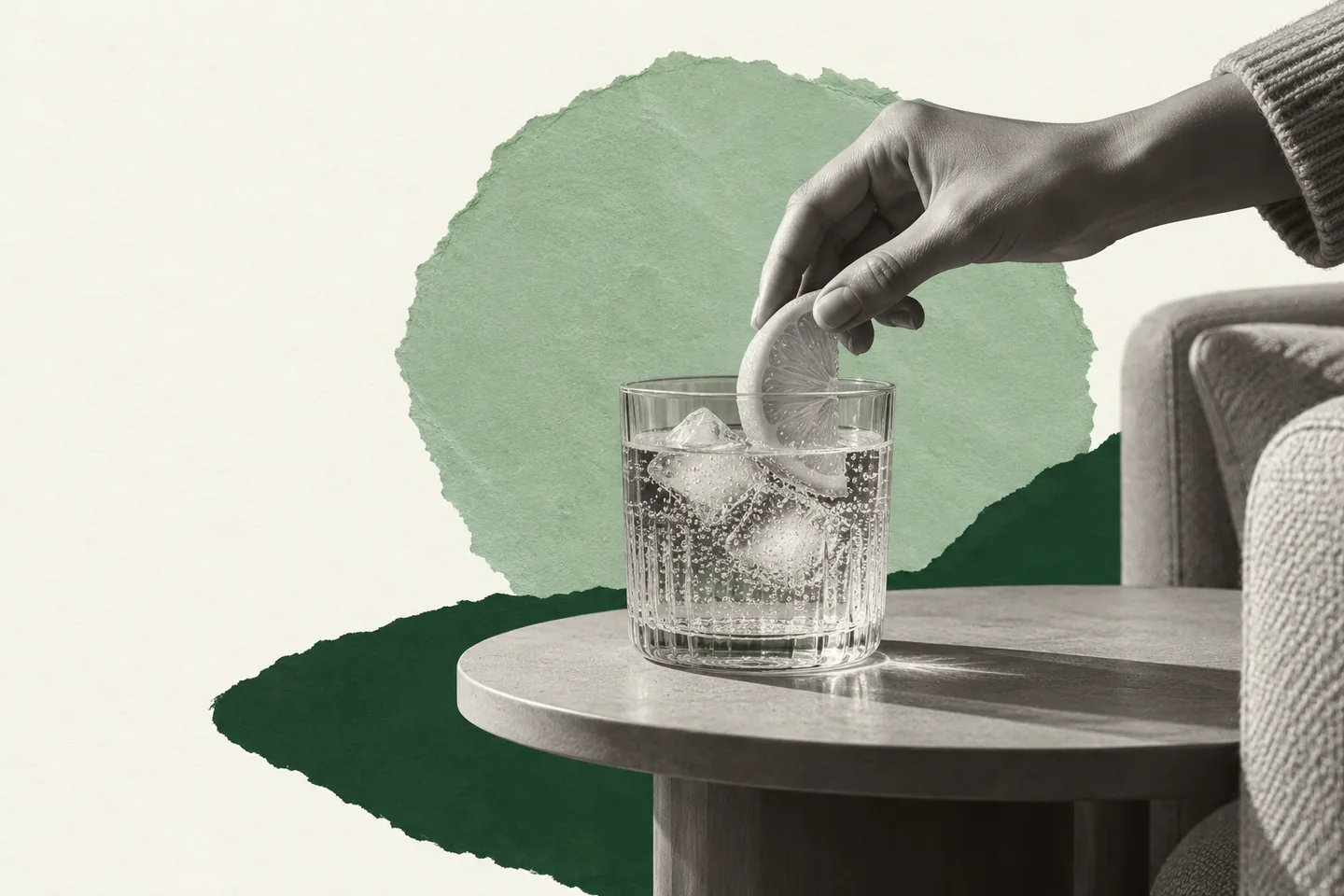
8 min readHow to drink less alcohol: know the guidelines, track your drinks, set alcohol-free days, change evening routines, handle social pressure, and when to get help.
8 min read