Environment Design for Habits: Make Good Habits Easy
Environment design for habits: visible cues, less friction for good habits, more for bad ones, and spaces with one job. Examples and a checklist.
Most of what we do every day isn’t decided. It’s cued by our surroundings: the phone on the table, the biscuits on the counter, the sofa facing the TV. That’s why trying harder often fails, while changing the room often works.
Environment design means arranging your surroundings so the habits you want are the easy, obvious choice, and the habits you don’t want take more effort. This guide explains the principles and gives room-by-room examples. It’s the starting point for our environment design guides.
Why environment beats willpower
Habits are behaviors that have become linked to a context: a place, a time, an object, a preceding action. Once the link exists, the context triggers the behavior with little thought. Research on habits suggests that much of daily behavior is repeated in the same contexts, which is exactly why changing the context is such a powerful lever.
Willpower, by contrast, has to work against those cues every single time. Environment design changes the cues, so you need less willpower to begin with.
The four principles
1. Make cues for good habits visible
What you see, you’re more likely to do.
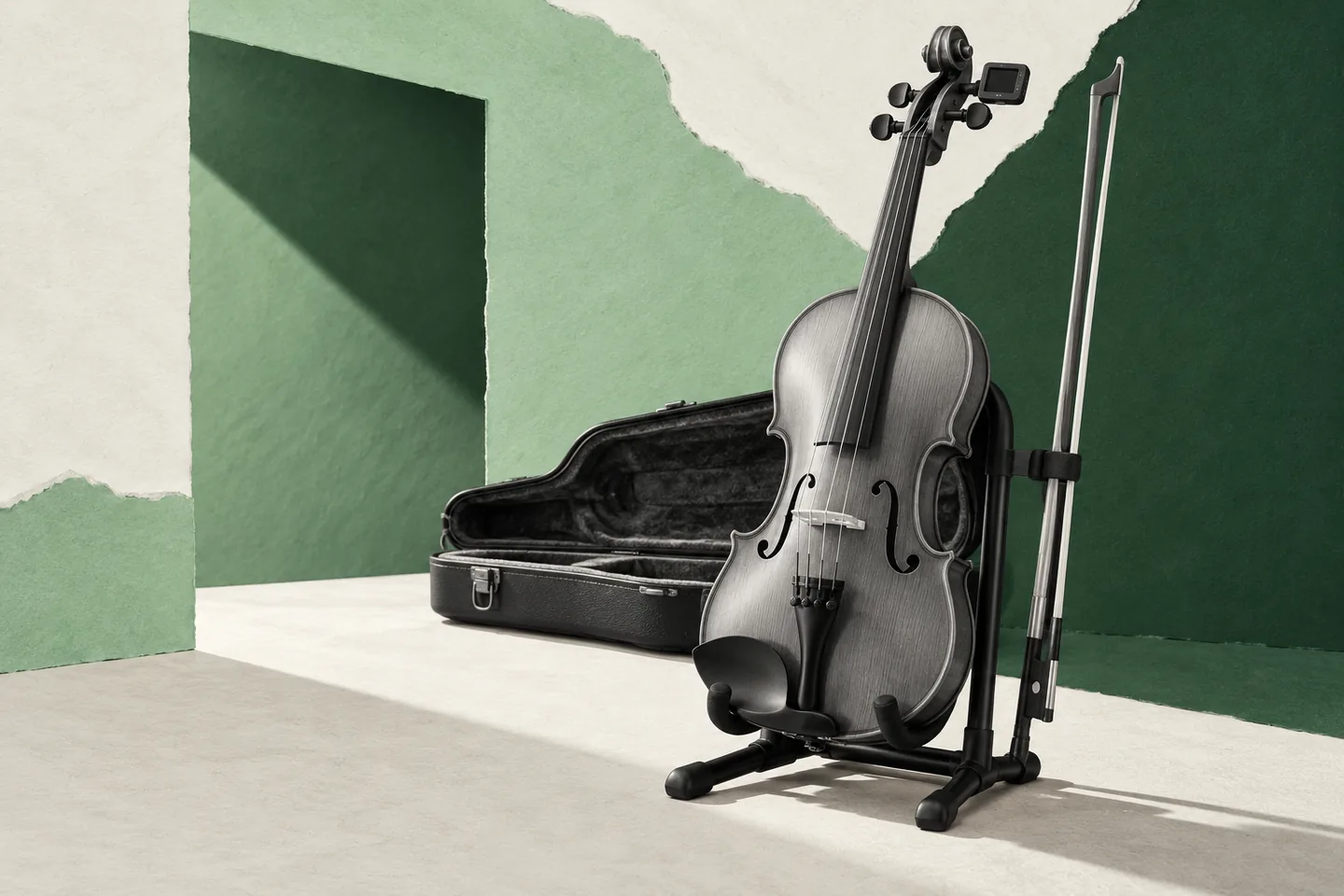
- Book on the pillow, guitar on a stand (not in its case), water bottle on the desk.
- Running shoes by the door, vitamins next to the kettle.
- A sticky note with tomorrow’s first task on the laptop.
2. Make cues for bad habits invisible
Out of sight is genuinely out of mind more often than not.
- Sweets in an opaque container on a high shelf, or not in the house.
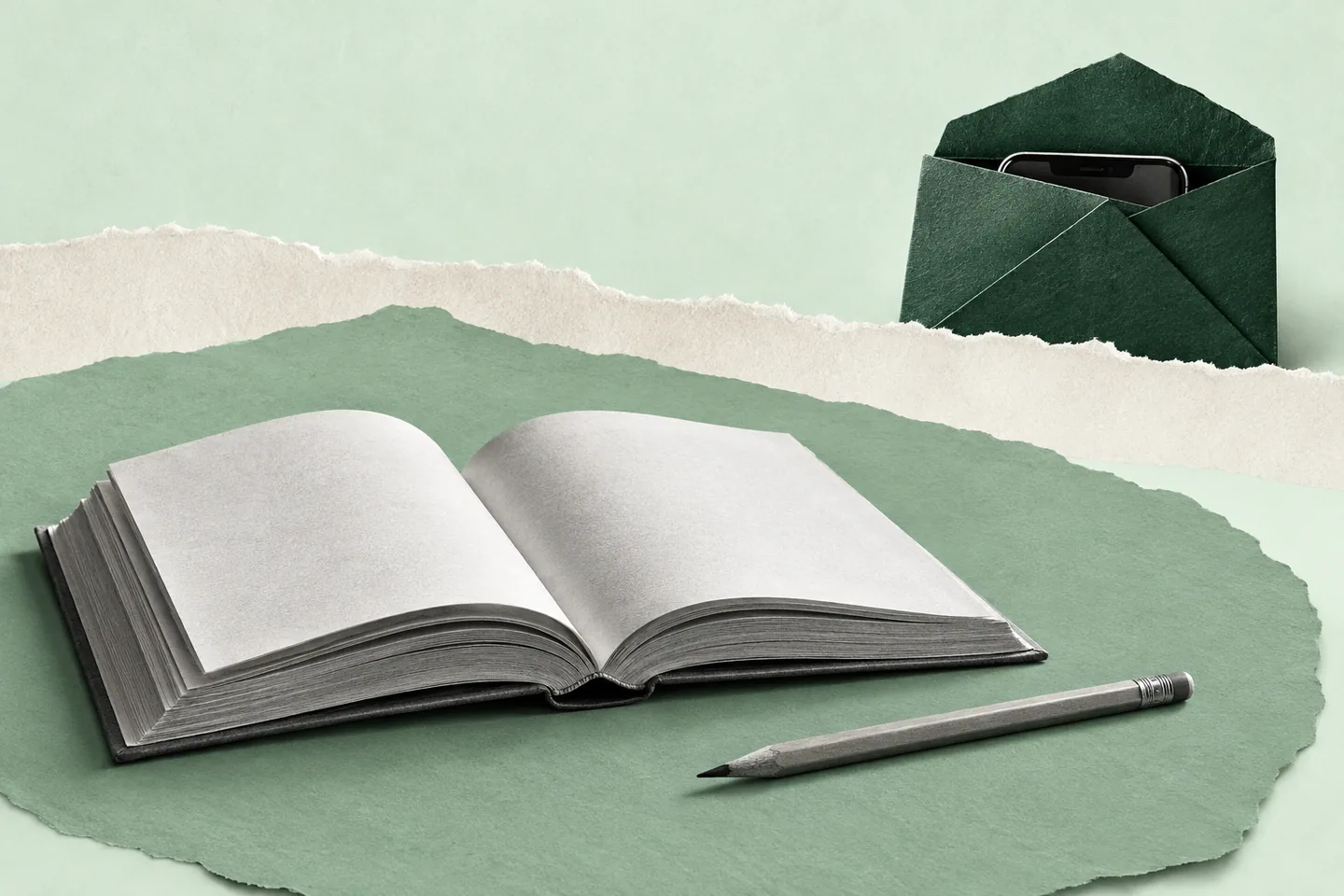
- Phone in a drawer during work, games apps off the home screen.
- TV remote in a drawer, so the TV isn’t the default.
3. Reduce friction for good habits
Every step between you and a habit is a chance to skip it. Remove steps:
- Gym bag packed the night before.
- Yoga mat left unrolled.
- Healthy snacks washed, cut and at eye level.
4. Add friction to bad habits
Small barriers have big effects on automatic behavior:
- Log out of social media after each use.
- Unplug the TV after use.
- Keep the credit card out of saved payment details.
Friction is powerful enough to deserve its own guide: friction design.
Give each space one job
Brains link places with behaviors. When a space has many jobs (the bed for sleeping, working and scrolling), the cues get mixed.
- The bed is for sleep. Work and scrolling elsewhere. See bedroom setup for better sleep.
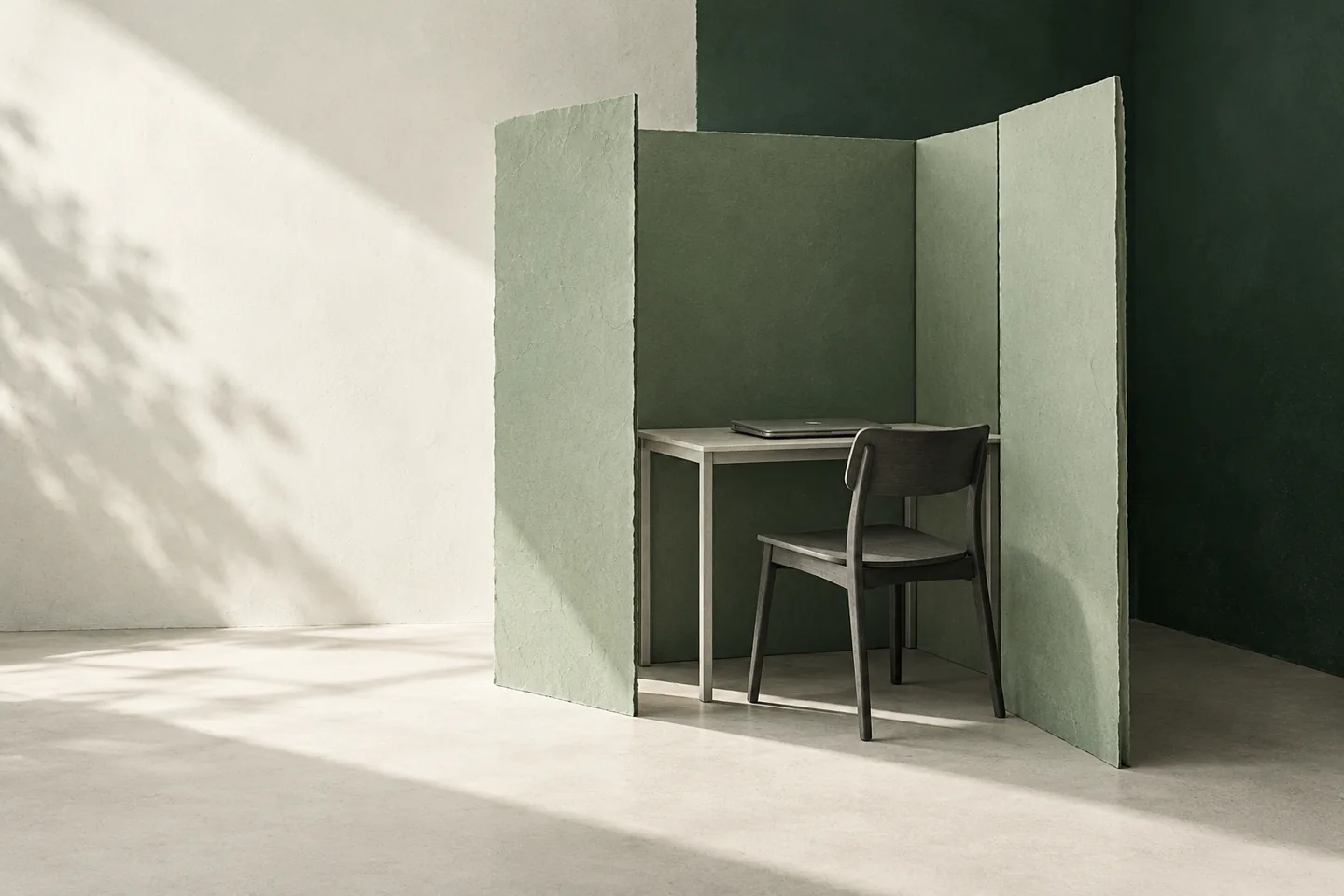
- The desk is for work. Even a specific chair or corner can act as the “work” cue. See workspace setup for productivity.
- The table is for meals and conversation, not laptops.
If you only have one room, use small markers: a lamp that’s on only while working, a laptop that goes into a bag at the end of the day.
Room-by-room examples
| Room | Make it easier | Make it harder |
|---|---|---|
| Kitchen | Fruit on the counter, water jug in the fridge, a pre-planned shopping list (healthy eating habits) | Snacks out of sight, takeaway apps logged out (late-night snacking) |
| Living room | Book or instrument within reach of the sofa | Remote in a drawer, consoles unplugged |
| Bedroom | Dark, cool, alarm clock, book on the pillow | Phone charging in another room |
| Desk | Today’s task on a sticky note, only needed tabs open | Phone in a drawer, notifications off |
| Entrance | Shoes and bag ready by the door | Delivery boxes out of sight |
| Phone | Useful apps on the home screen | Social apps in a folder on the last page, logged out |
Social environment counts too
Your environment isn’t only objects. The people around you shape habits strongly: if friends exercise, you’re more likely to; if colleagues work focused in the morning, so will you.
- Spend time with people who already do the habit.
- Join a group or class at a fixed time.
- Work alongside others who are focusing, in person or online.
Disclosure: Cohorty publishes this journal. Cohorty is a social environment for habits: book a 30-minute session and do your habit while others do theirs, with no camera or chat. See how to use Cohorty, or read about how groups shape habits.
Use a new environment to start a new habit
Changes in context, like moving house, starting a new job or travelling, temporarily weaken old cues. That makes them good moments to start new habits, because the old ones aren’t triggered as strongly. You can create a smaller version of this effect by changing your workspace or routine deliberately.
An environment design checklist
- Pick one habit to build and one to reduce.
- For the good habit: put the cue where you’ll see it and remove one step.
- For the bad habit: hide the cue and add one step.
- Give one space one job.
- Review after a week. Which change made the biggest difference?
Common questions
What is environment design for habits?
Arranging your physical and social surroundings so good habits are visible and easy, and bad habits are hidden and harder. It reduces how much willpower you need.
Does environment really affect habits?
Yes. Habits are linked to the contexts they happen in, so changing cues, friction and the purpose of a space changes how likely a behavior is.
What’s the easiest environment change to make?
Moving your phone out of reach, for work or sleep, is one of the simplest and most effective. Making a good habit’s cue visible is another.
How do I design my environment for focus?
Give work one place, keep only the task in view, put the phone in another room and work alongside others where possible. See how to focus with ADHD and deep work habits.