Healthy Eating Habits: Small Changes Without Dieting
Build healthy eating habits without a diet: more vegetables, regular meals, planned shopping, water first, mindful snacks and small swaps.
Diets tend to follow the same path: strict rules, a few good weeks, then a slip, and back to old habits. Healthy eating habits work differently. Instead of a temporary plan, you make small changes that become how you eat by default.
This guide covers practical habits that most nutrition advice agrees on, and how to build them one at a time. It’s part of our health habits guides.
Note: this is general information. If you have a medical condition, food allergy, eating disorder or specific dietary needs, talk to a doctor or registered dietitian.
Why habits beat diets
Most daily eating isn’t decided; it’s cued by habits and surroundings: what’s in the cupboard, what’s on the way home, what’s on the table. Changing those cues is often more effective than willpower, and changes you can keep for years matter more than a strict month. See environment design.
Eight healthy eating habits
1. Add vegetables and fruit to what you already eat
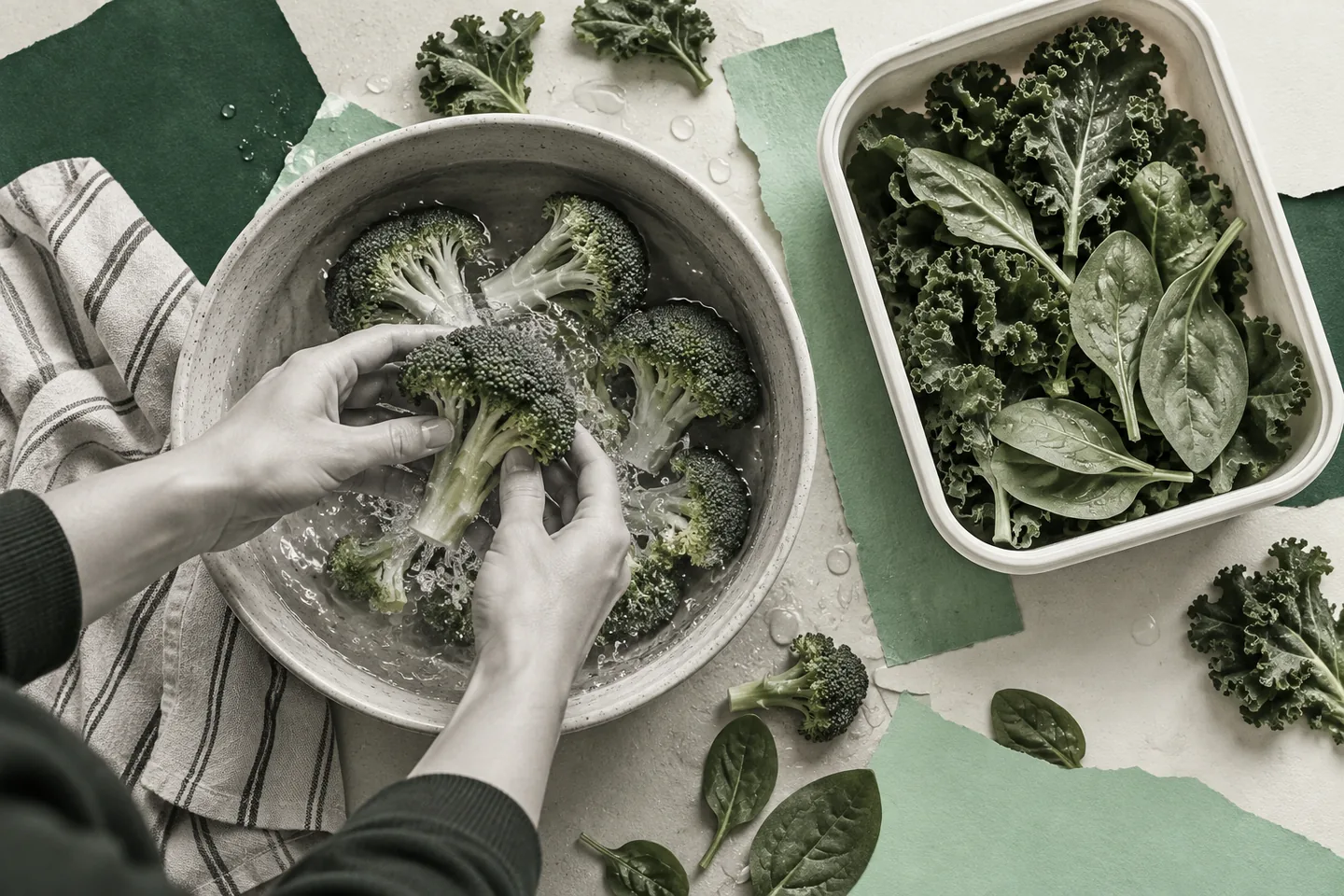
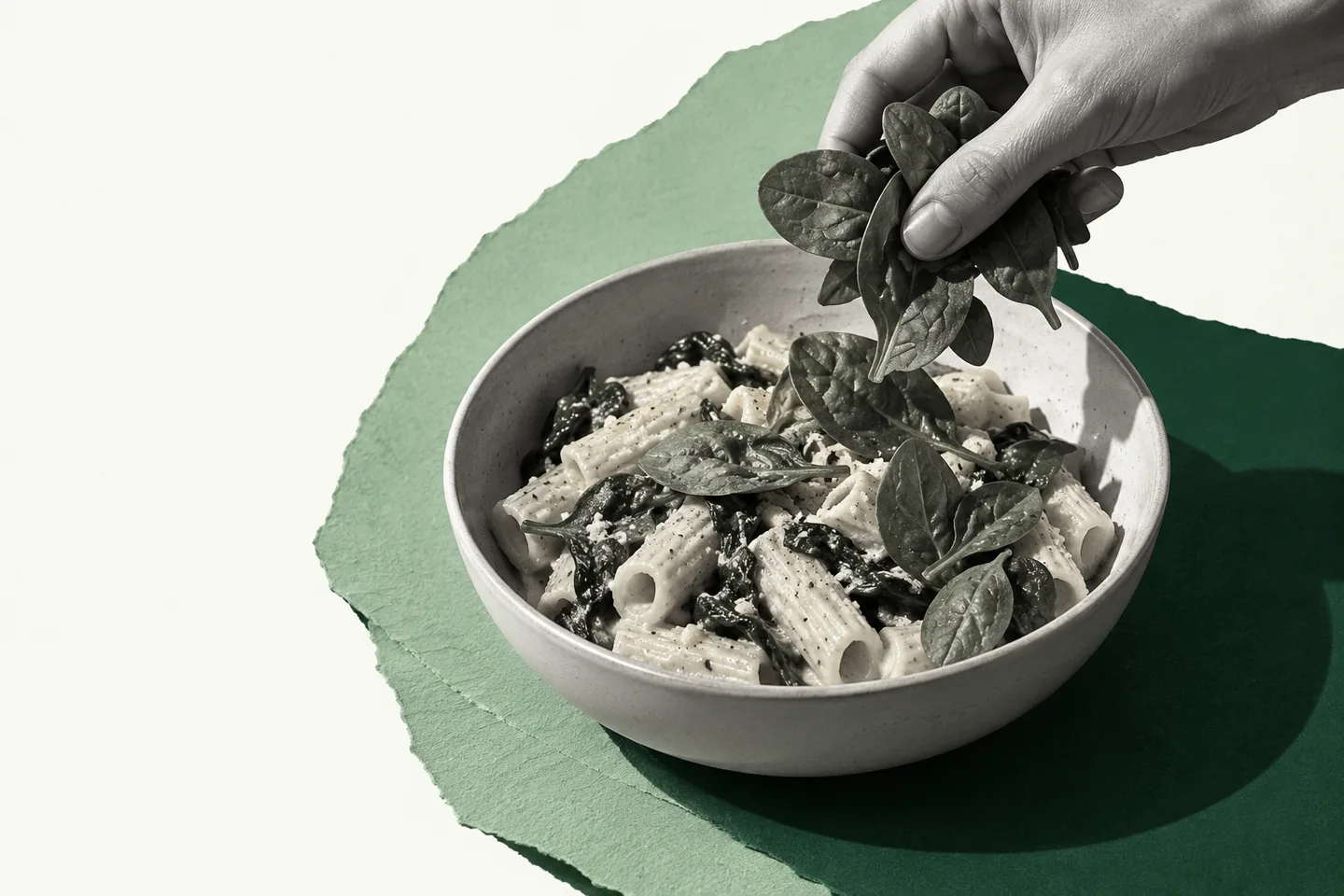
Start by adding, not removing: a handful of spinach in pasta, fruit with breakfast, a side salad with lunch. Many dietary guidelines suggest filling around half your plate with vegetables and fruit.
2. Eat regular meals
(For a look at eating patterns in long-lived communities, and their caveats, see Blue Zones habits.)
Long gaps often lead to grabbing whatever is fastest. Regular meals at roughly the same times make choices easier.
3. Plan meals and shop with a list
Decide a few dinners for the week and shop for them. It reduces takeaways and impulse buys. See meal prep.
4. Make water the default drink
Water with every meal, a bottle at your desk. Sugary drinks are one of the easiest things to cut down. See how to drink more water.
5. Choose more whole foods
Whole grains, beans, lentils, nuts, fish and minimally processed foods. Swap gradually: brown rice some nights, wholegrain bread, oats for breakfast.
6. Snack on purpose
Keep easy, healthier snacks visible (fruit, nuts, yoghurt) and less healthy ones out of sight. If evening snacking is your challenge, see late-night snacking.
7. Eat without screens when you can
Eating while scrolling or watching makes it easy to eat more than you meant to. A few meals a week at a table, without screens, helps you notice when you’re full.
8. Cook a little more often
Cooking even simple meals at home gives you more control over ingredients and portions. Start with one or two simple recipes you can repeat.
Build one habit at a time
| Weeks | Habit |
|---|---|
| 1–2 | A vegetable or fruit with every meal |
| 3–4 | Plan three dinners and shop with a list |
| 5–6 | Water as the default drink |
| 7–8 | Healthier snacks visible, others out of sight |
Once a habit feels automatic, add the next.
Make it easier
- Habit stacking: “When I unpack the shopping, I wash and cut vegetables for the week.”
- Friction: keep sweets and crisps out of the house or out of sight. See habit friction.
- Social support: cook with a partner, share meal plans with a friend, or plan meals alongside others.
Disclosure: Cohorty publishes this journal. Some people book a 30-minute Cohorty session for weekly meal planning or batch prep and do it alongside others with no camera or chat. See how to use Cohorty.
Allow for real life
Healthy eating isn’t all or nothing. A takeaway, a birthday cake or a holiday doesn’t undo your habits. Return to the next normal meal. Aim for most of the time, not all of the time.
Common questions
How do I start eating healthier?
Add vegetables or fruit to the meals you already eat, plan a few meals a week and make water your default drink. Change one habit at a time.
Can I eat healthily without dieting?
Yes. Focusing on sustainable habits rather than strict rules often works better long-term.
What is the easiest healthy eating habit to start?
Adding one portion of vegetables or fruit to each meal, or swapping sugary drinks for water.
How long does it take to change eating habits?
It varies. Many habits take weeks to months to feel automatic. Start small and add one change at a time.