How to Stop Late-Night Snacking (Without Willpower)
Why late-night snacking happens and how to stop: eat enough earlier, find your trigger, change the kitchen, replace the routine, end the evening.
The day goes fine. Then evening comes, you sit down on the sofa, and somehow a packet of biscuits disappears. Late-night snacking is one of the most common habits people want to change, and one of the hardest to stop with willpower alone.
The better approach is to treat it like any other habit: understand what triggers it, change the setting, and replace the routine rather than just removing it. This guide shows how to stop late-night snacking. It’s part of our health habits guides.
Note: if night eating feels out of control, comes with distress, or you regularly wake up to eat, talk to a doctor. Some people experience night eating syndrome or binge eating, which are treatable.
Why it happens
- Not eating enough earlier. Skipped meals and small lunches often show up as hunger at 10 PM.
- Habit cues. The sofa, the TV, a particular show: the snack has become part of the routine.
- Tiredness. When you’re tired, quick rewards are harder to resist.
- Stress and boredom. Food is an easy way to unwind or fill time.
- Easy access. Snacks in sight, one step away.
Step 1: Eat enough during the day
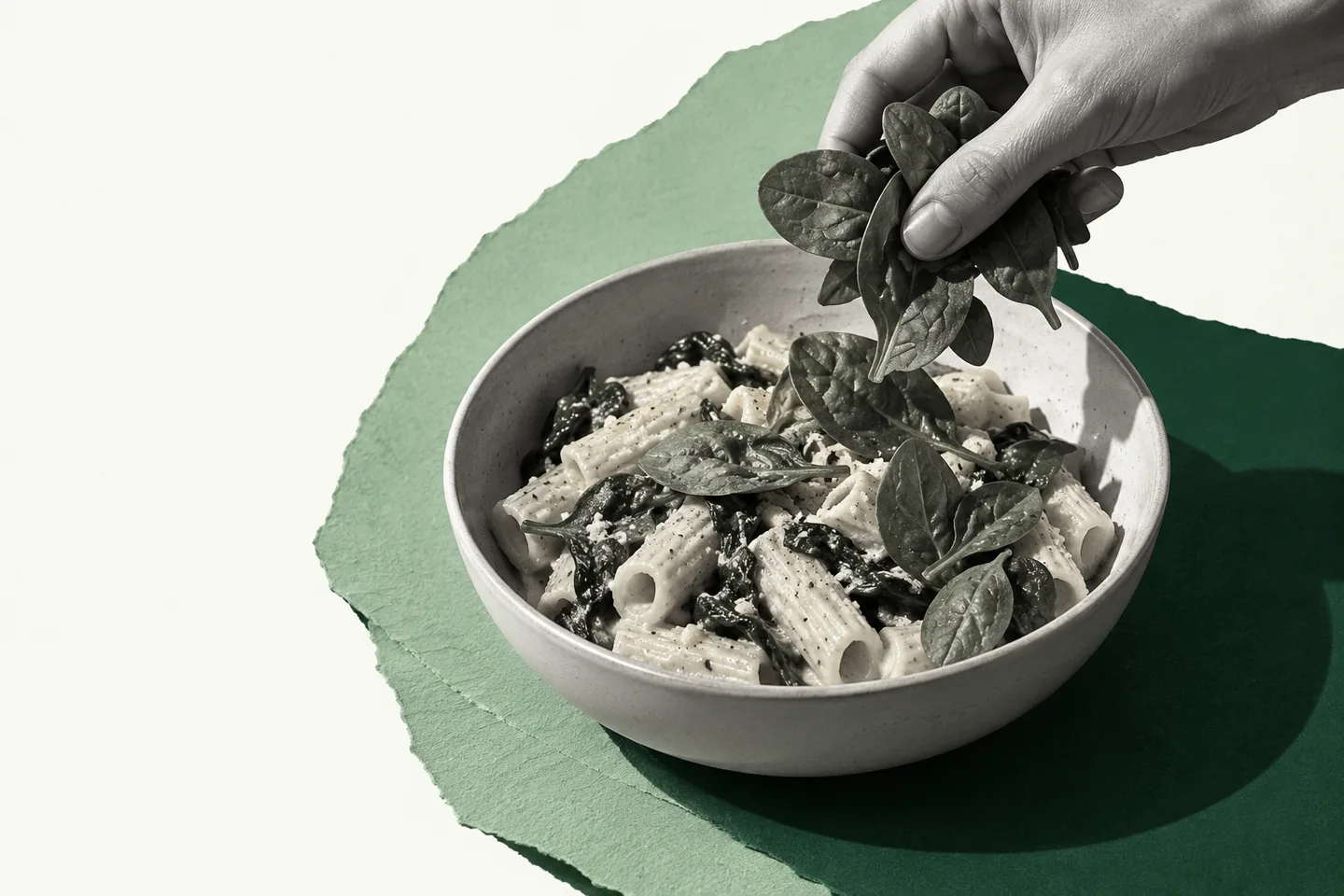
Make sure breakfast, lunch and dinner are real meals with protein, fibre and vegetables. If dinner is early, a planned small evening snack may be better than an unplanned large one. See healthy eating habits.
Step 2: Find your trigger
For a week, when you snack in the evening, note:
- What time?
- Where? (sofa, kitchen, bed)
- What were you doing? (TV, phone, after a stressful call)
- Were you hungry, tired, bored or stressed?
Most people find one or two clear patterns.
Step 3: Change the kitchen
- Keep the usual snacks out of the house, or at least out of sight in an opaque container on a high shelf.
- Put healthier options in front: fruit, yoghurt, nuts.
- Close the kitchen: after dinner, wipe the counter, turn off the kitchen light. A clear end signal helps.
These are habit friction and environment changes, and they work better than relying on willpower at 10 PM.
Step 4: Replace the routine
The snack usually fills a need. Replace it with something that meets the same need:
| Need | Instead of snacking |
|---|---|
| Something in your hands while watching TV | Herbal tea, a fidget, folding laundry |
| Unwinding after a hard day | A shower, a walk, stretching |
| Boredom | A book, a call, a hobby |
| Tiredness | Going to bed earlier |
Step 5: End the evening on purpose
Late snacking often fills the time between “done for the day” and actually going to bed. A short evening routine, brushing teeth early and a set bedtime close that window.
Step 6: Plan for slips
You’ll snack some nights. That’s fine. Don’t decide the day is ruined; just restart the next evening. Notice what triggered it and adjust the plan.
A one-week plan
| Day | Change |
|---|---|
| 1–2 | Note triggers, eat proper meals |
| 3 | Move snacks out of sight; healthier options in front |
| 4 | ”Close the kitchen” after dinner |
| 5 | Pick a replacement for your main trigger |
| 6 | Brush teeth an hour before bed |
| 7 | Review and keep what helped |
Common questions
Why do I snack so much at night?
Common reasons are not eating enough during the day, habit cues like TV time, tiredness, stress and easy access to snacks.
How do I stop eating at night?
Eat proper meals earlier, keep snacks out of sight, close the kitchen after dinner, replace the snack with another routine and go to bed earlier.
Is it bad to eat before bed?
A small, planned snack is fine for most people. Large amounts late at night can affect sleep and make healthy eating harder.
What should I eat if I’m hungry at night?
A small, filling snack like yoghurt, fruit or a handful of nuts. If you’re often hungry at night, look at whether you eat enough earlier in the day.