Blue Zones Habits: What Long-Lived Communities Share
What the Blue Zones are, the daily habits often linked to long lives there (movement, plants, purpose, community), the caveats, and how to borrow them.
The Blue Zones are regions where people are said to live unusually long lives, often to 100 and beyond. The idea was popularized by writer Dan Buettner and National Geographic in the mid-2000s, building on demographic research.
Interest in Blue Zones usually focuses on diet. But the most interesting lesson for habit-builders is how much of these communities’ healthy behavior is built into everyday life and social connection rather than willpower. This guide covers the commonly cited habits, the caveats, and how to borrow them. It’s part of our health habits guides.
The commonly cited Blue Zones
- Okinawa, Japan
- Sardinia (a mountainous region), Italy
- Nicoya Peninsula, Costa Rica
- Ikaria, Greece
- Loma Linda, California, USA (a Seventh-day Adventist community)
Important caveats
Some researchers have questioned the reliability of age records in a few long-lived regions, and longevity is influenced by genetics, healthcare, history and chance as well as lifestyle. Observing that long-lived people share habits doesn’t prove those habits caused their long lives.
Still, the habits commonly described overlap with well-established public health advice, which makes them a reasonable source of ideas.
Habits often described in Blue Zones
1. Natural movement all day
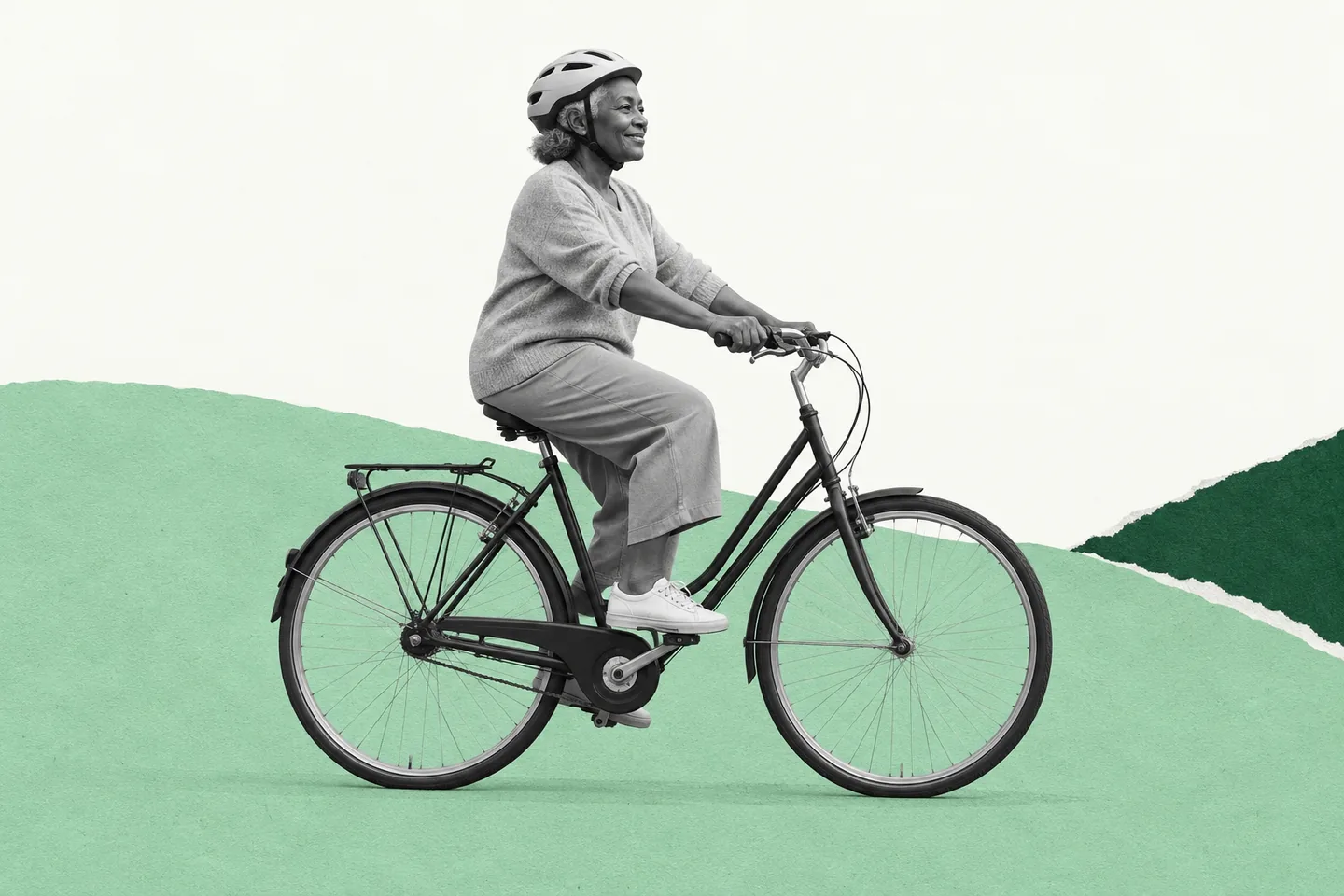
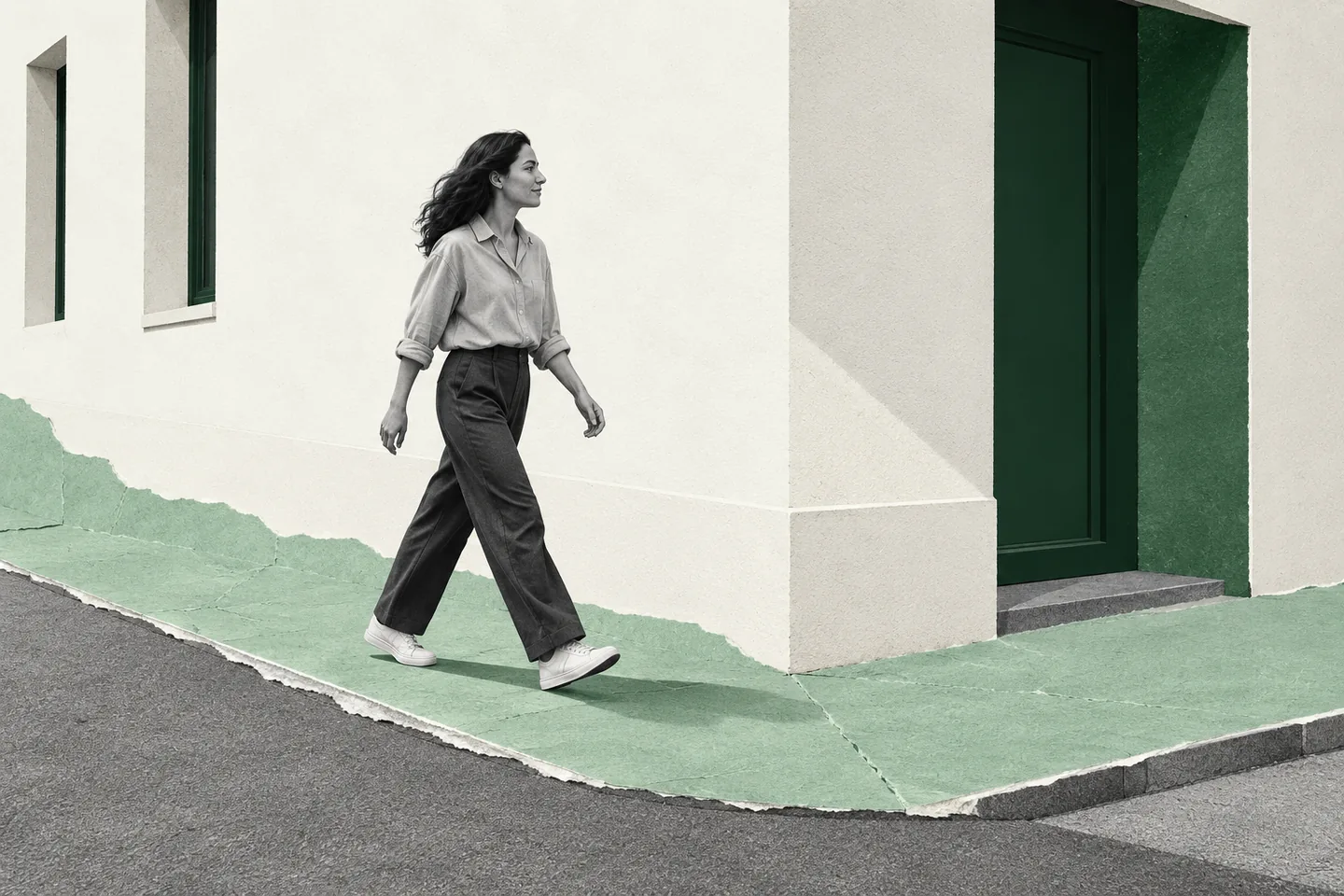
Rather than gym workouts, people tend to move throughout the day: walking, gardening, manual work, climbing hills. Movement is built into life.
Borrow it: walk short trips, take stairs, garden, add a daily walk. See the walking habit.
2. Mostly plant-based eating
Diets are commonly described as rich in vegetables, beans, whole grains and nuts, with meat eaten less often.
Borrow it: add beans or lentils to a few meals a week. See healthy eating habits.
3. Eating until mostly full
Okinawa’s “hara hachi bu” refers to stopping eating when about 80% full.
Borrow it: eat slowly, without screens, and pause before seconds.
4. A sense of purpose
People often describe a clear reason to get up in the morning, sometimes called “ikigai” in Okinawa.
Borrow it: write down what matters to you and one small daily action connected to it. See identity-based habits.
5. Ways to downshift
Daily routines for rest: naps, prayer, time with family, a moment of reflection.
Borrow it: a short after-work decompression ritual.
6. Strong social ties and belonging
Close family ties, lifelong friend groups and faith or community groups are common threads. In Okinawa, “moai” are small groups of friends who support each other for life.
Borrow it: regular time with the same people, a club, a class or a group with a shared habit.
7. Friends with healthy habits
The people around us shape our habits. Communities where healthy behavior is the norm make it easier to keep.
Borrow it: do habits with others who are doing them too. See the science of group habits.
The bigger lesson: environment and community
Blue Zones habits are rarely the result of discipline. They’re the default: walking because the town is built for walking, eating beans because that’s what’s cooked, seeing friends because that’s what people do. For your own habits, that suggests designing your environment and your social circle, not relying on willpower.
Disclosure: Cohorty publishes this journal. Cohorty is a small modern version of a shared routine: you book a 30-minute session and do your habit alongside the same people at the same time, with no camera or chat. See how to use Cohorty.
Common questions
What are the Blue Zones?
Regions often described as having unusually high numbers of long-lived people, including Okinawa, Sardinia, Nicoya, Ikaria and Loma Linda.
What do people in Blue Zones eat?
Diets are commonly described as mostly plant-based, with lots of vegetables, beans and whole grains, and smaller amounts of meat.
Are Blue Zones real?
The concept is popular and the habits overlap with public health advice, but some researchers question the reliability of certain age records, and longevity has many causes.
How can I apply Blue Zones habits?
Move naturally through the day, eat more plants, find a sense of purpose, build daily rest, and keep strong social connections.