Bedroom Setup for Better Sleep: A Practical Checklist
How to set up your bedroom for better sleep: darkness, a cool temperature, quiet, a comfortable bed and no phone. A checklist for this weekend.
Your bedroom is a cue. Every evening it tells your brain either “this is where we sleep” or “this is where we scroll, work and worry.” A few changes to the room itself can make sleep come more easily, without relying on willpower at 11 PM.
This guide is a practical checklist for setting up a bedroom for better sleep: light, temperature, noise, the bed, and what to keep out. It’s part of our sleep and evening routine guides and applies the ideas of environment design to sleep.
Note: if you regularly struggle to fall or stay asleep, snore loudly, or feel exhausted despite enough time in bed, talk to a doctor. Sleep disorders are common and treatable.
1. Make it dark
Light is one of the strongest signals for your body clock. Light in the evening and at night can make it harder to fall asleep.
- Blackout curtains or blinds, especially if you have streetlights or early sunrises.
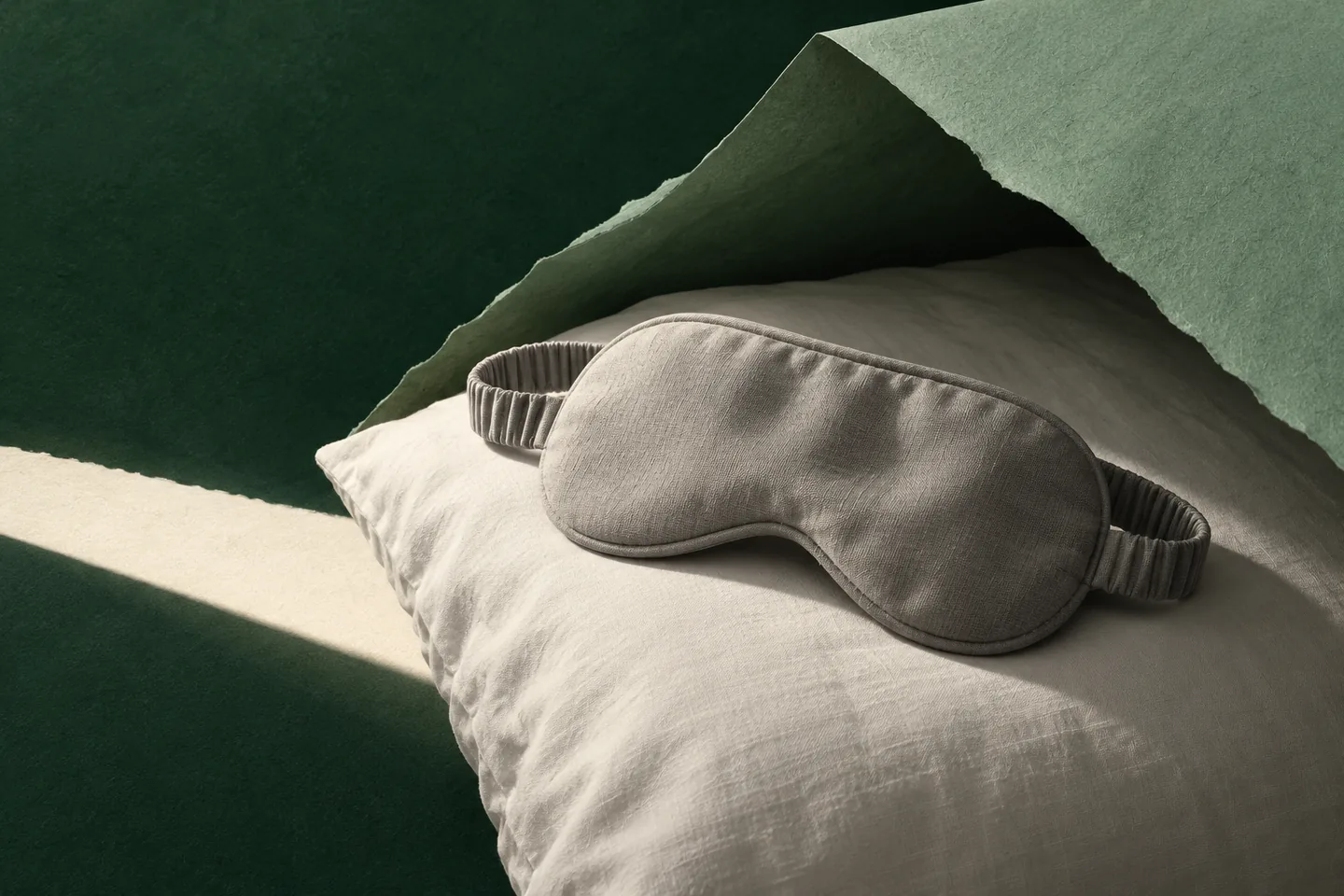
- A sleep mask as a simple, cheap alternative.
- Cover or remove small lights: chargers, standby lights, alarm clock displays.
- Dim, warm lighting in the last hour before bed instead of bright overhead lights.
2. Keep it cool
Most people sleep better in a slightly cool room. Sleep organizations often suggest a temperature somewhere around 16–19 °C (60–67 °F), but comfort varies, so treat that as a starting point.
- Lower the heating or open a window in the evening.
- Use breathable bedding and adjust layers by season.
- A fan can help with both temperature and background noise.
3. Reduce noise
- Earplugs for occasional noise.
- A fan or white noise machine to mask sounds you can’t control, like traffic or neighbors.
- Soft furnishings (rugs, curtains) reduce echo and outside noise.
4. Make the bed comfortable
- A mattress and pillow that suit your sleeping position. If you wake up stiff or sore, they may need replacing.
- Bedding you like, washed regularly.
- Enough space: if a partner, child or pet regularly disturbs you, it’s worth talking about options.
5. Keep the bed for sleep
This is one of the most useful changes, and it’s part of standard advice in cognitive behavioral therapy for insomnia. If you work, scroll, eat or worry in bed, your brain starts to link the bed with being awake.
- Work somewhere else, even if it’s a corner of another room.
- Read on paper, not on a screen, if you read in bed.
- If you can’t sleep, get up after a while and do something quiet in dim light elsewhere. Go back when sleepy.
6. Keep the phone out
Phones combine light, alerts and endless content, which makes them one of the biggest obstacles to sleep.
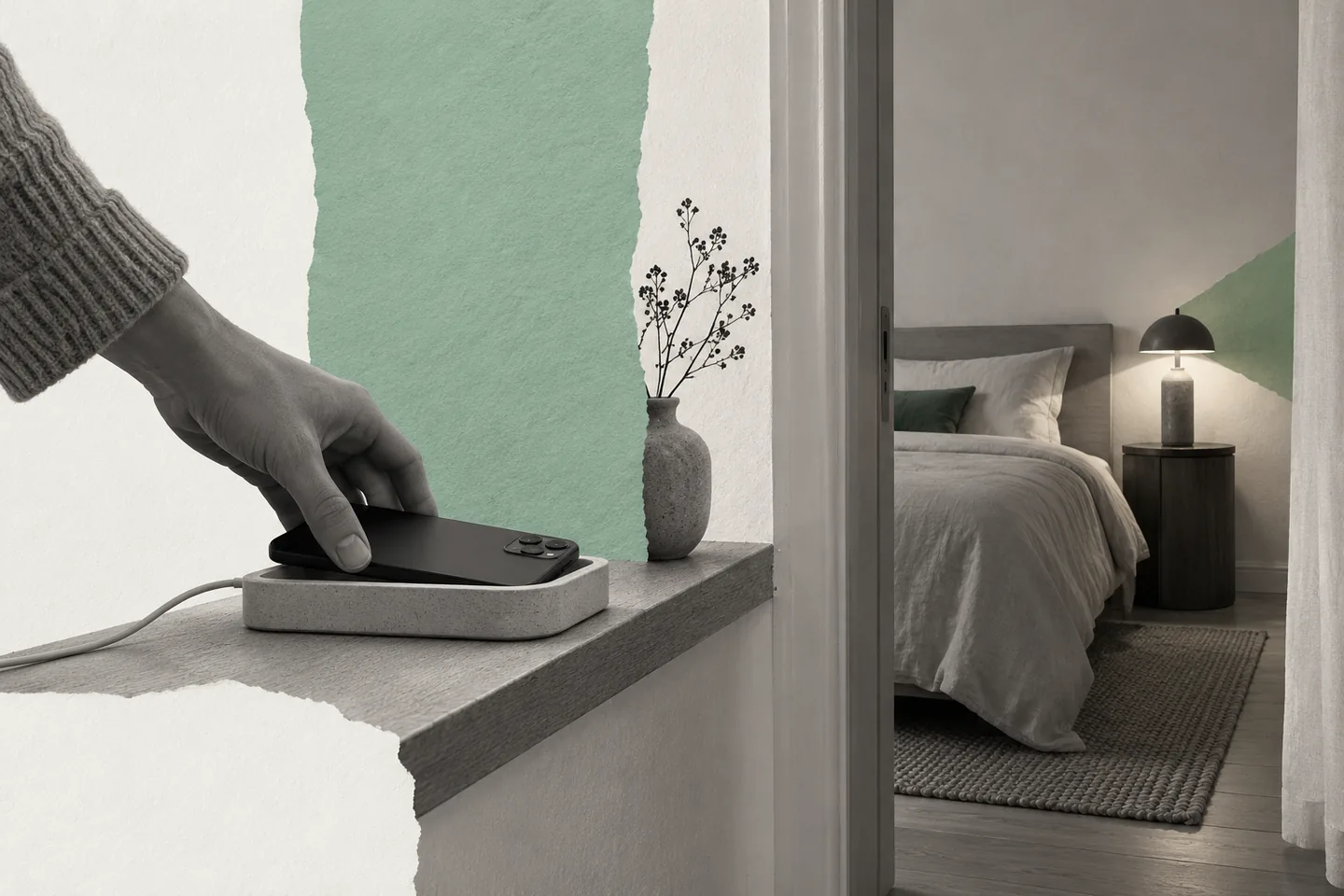
- Charge your phone outside the bedroom.
- Use a simple alarm clock instead of the phone.
- If the phone must stay, put it across the room, face down, on do-not-disturb.
See how to stop scrolling and no scrolling after 8 PM for help with evening phone use.
7. Reduce clutter
(One more non-bedroom factor: caffeine in the afternoon. See how to cut back on caffeine if you rely on late coffees.)
A cluttered room can feel stimulating or stressful, especially if it’s full of reminders of unfinished tasks (laundry piles, work papers). Clear the surfaces you see from bed first. If tidying itself feels overwhelming, ADHD cleaning in 30-minute slots shows how to do it in small pieces.
Weekend bedroom checklist
| Area | Change | Cost |
|---|---|---|
| Light | Sleep mask or blackout blind; tape over standby lights | Low |
| Temperature | Lower heating, lighter bedding, fan | Low |
| Noise | Earplugs or white noise | Low |
| Phone | Charger moved out; buy an alarm clock | Low |
| Bed | Wash bedding; check pillow | Low to medium |
| Clutter | Clear visible surfaces | Free |
| Work | Laptop and papers out of the bedroom | Free |
The room plus a routine
A good bedroom works best with a consistent wind-down. Pair these changes with an evening routine, or a night routine for anxiety if worries keep you up. Keep a regular wake-up time, even at weekends, to anchor your body clock. If you work shifts, see the shift worker sleep routine.
Common questions
What is the best bedroom temperature for sleep?
Many sleep organizations suggest roughly 16–19 °C (60–67 °F), but comfort varies. A slightly cool room with bedding you can adjust works for most people.
Is it bad to have a TV or phone in the bedroom?
They can make sleep harder through light, alerts and stimulating content. Charging your phone outside the bedroom is one of the simplest improvements.
Should I work in my bedroom?
Ideally not. Keeping the bed for sleep helps your brain associate it with sleeping. If you must work in your bedroom, keep work away from the bed and pack it away in the evening.
Does a dark room really help you sleep?
Yes. Light, especially in the evening and at night, affects your body clock. Blackout curtains or a sleep mask are simple ways to make the room darker.