How to Drink Less Alcohol: Habits That Make It Easier
How to drink less alcohol: know the guidelines, track your drinks, set alcohol-free days, change evening routines, handle social pressure, and when to get help.
For many people, an evening drink has slowly become automatic: a glass of wine while cooking, a beer after work, a few more at the weekend. If you’d like to cut back, willpower at 7 PM isn’t the best tool. Changing the habits around drinking is.
This guide covers how to drink less alcohol: knowing where you are, setting clear limits, changing your evening routine, and handling social situations. It’s part of our environment design and bad habits guides.
Important: if you drink heavily every day, stopping suddenly can cause dangerous withdrawal symptoms. Talk to a doctor before cutting down sharply. If you feel you can’t control your drinking, free support services and your doctor can help.
Know the guidelines
Low-risk drinking guidelines vary by country. For example:
- UK: the Chief Medical Officers advise not regularly drinking more than 14 units a week, spread over three or more days, with some drink-free days.
- US: the Dietary Guidelines advise that adults who drink limit intake to two drinks or fewer a day for men and one or fewer for women.
Health organizations also note that drinking less is generally better for health than drinking more. Check the guidance where you live.
Step 1: Track what you actually drink
For two weeks, record every drink: what, how much, when, and why (habit, stress, social). Many people drink more than they estimate. A drinks-tracking app or a note on your phone works.
Step 2: Set clear, specific limits
Vague goals (“drink less”) are hard to keep. Specific ones are easier:
- Alcohol-free days: for example, Monday to Thursday.
- A weekly limit, in drinks or units.
- A per-occasion limit: “two drinks, then soft drinks.”
Step 3: Change the evening routine
Much everyday drinking is habit, cued by a time and place: getting home, starting to cook, sitting down to watch TV. Replace the routine, not just the drink:
| Old cue | New routine |
|---|---|
| Getting home from work | A walk, a shower or changing clothes. See how to decompress after work |
| Cooking | A non-alcoholic drink you enjoy in a nice glass |
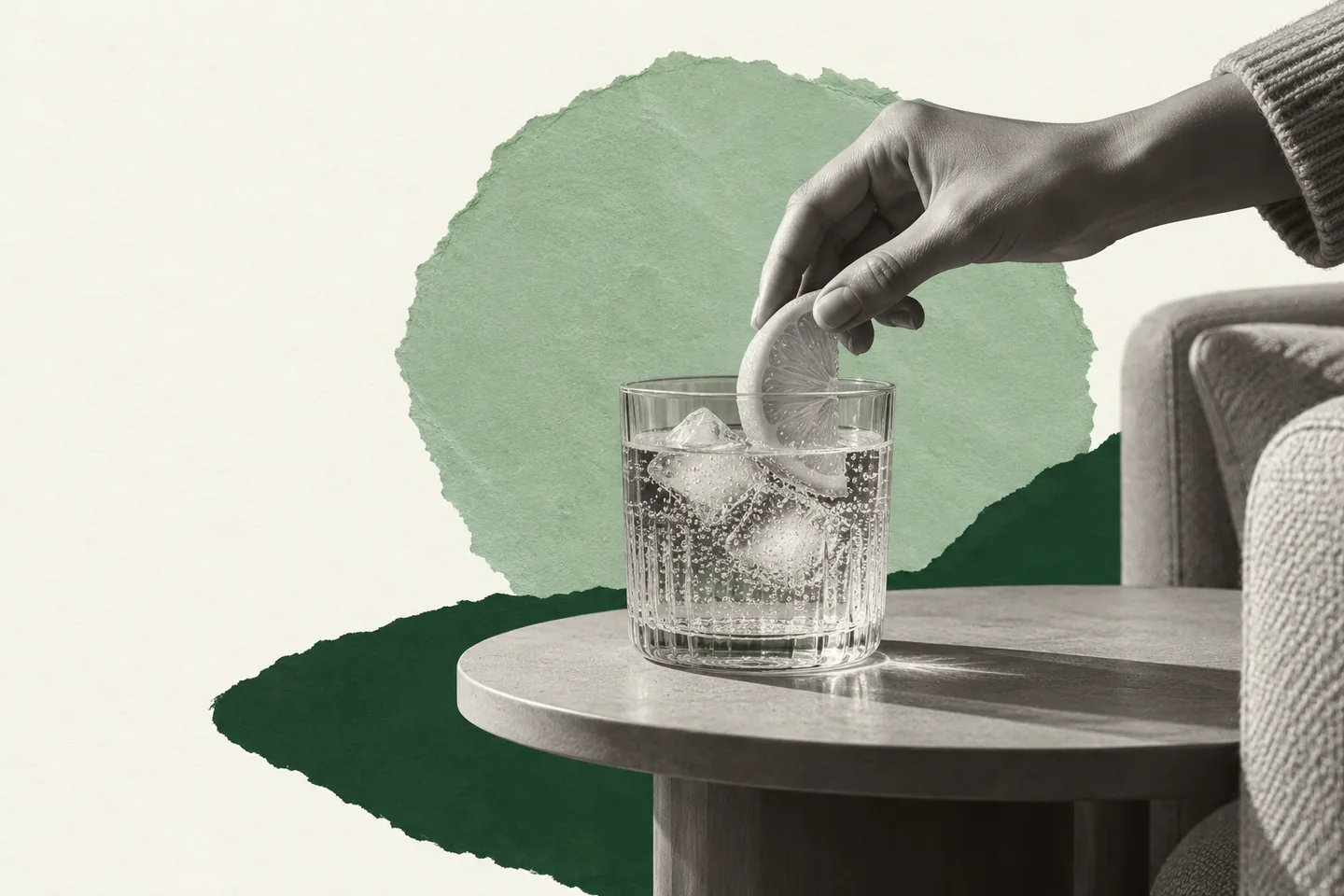
| Sitting down with TV | Herbal tea, sparkling water with fruit |
| Stress | Exercise, a call with a friend, breathing |
Step 4: Change what’s in the house
- Don’t keep alcohol at home on alcohol-free days, or keep less of it.
- Stock alcohol-free alternatives you actually like.
- Buy smaller bottles or cans instead of large ones.
This is habit friction: make the old habit a little harder and the new one easier.
Step 5: Handle social situations
- Decide your limit before you go.
- Start with a soft drink, then alternate.
- Have a short answer ready: “I’m not drinking tonight” or “I’m driving.”
- Suggest other plans: a walk, a meal, coffee, a class.
- Tell a friend what you’re doing; support helps.
Step 6: Notice the benefits
Many people who cut down notice better sleep, more energy, better mood or saving money within a few weeks. Write them down; they’re motivating on harder evenings.
When to get help
Talk to your doctor or a support service if:
- You drink every day and find it hard to stop.
- You need to drink more to get the same effect.
- You have shakes, sweating or anxiety when you don’t drink.
- Drinking affects your work, relationships or health.
Common questions
How can I drink less alcohol?
Track your drinks, set specific limits including alcohol-free days, change the routines that cue drinking, keep less alcohol at home and plan for social situations.
How many drinks a week is too many?
Guidelines vary by country. In the UK, the advice is no more than 14 units a week spread over several days; US guidelines suggest up to two drinks a day for men and one for women. Less is generally better for health.
What can I drink instead of alcohol in the evening?
Alcohol-free beer or wine, sparkling water with fruit, herbal tea or a drink you enjoy in a nice glass, so the ritual stays even if the alcohol doesn’t.
Is it safe to stop drinking suddenly?
For most moderate drinkers, yes. If you drink heavily every day, stopping suddenly can be dangerous; talk to a doctor first.