Meal Planning on a Budget: A Simple Weekly System
How to meal plan on a budget: check what you have, plan around cheap staples, shop with a list, cook once and eat twice, and cut food waste.
Food is one of the most flexible parts of a household budget, and one of the easiest places for money to leak: unplanned shopping, food that goes off, and takeaways on tired evenings.
Meal planning on a budget fixes all three with a simple weekly habit. This guide shows a 20-minute system you can repeat every week. It’s part of our money habits guides.
Why meal planning saves money
- Fewer impulse buys: a list keeps the trolley focused.
- Less waste: you buy what you’ll use.
- Fewer takeaways: there’s a plan for tired evenings.
- Cheaper ingredients go further: you cook in batches and reuse leftovers.
A 20-minute weekly meal planning system
Step 1: Check what you have (5 minutes)
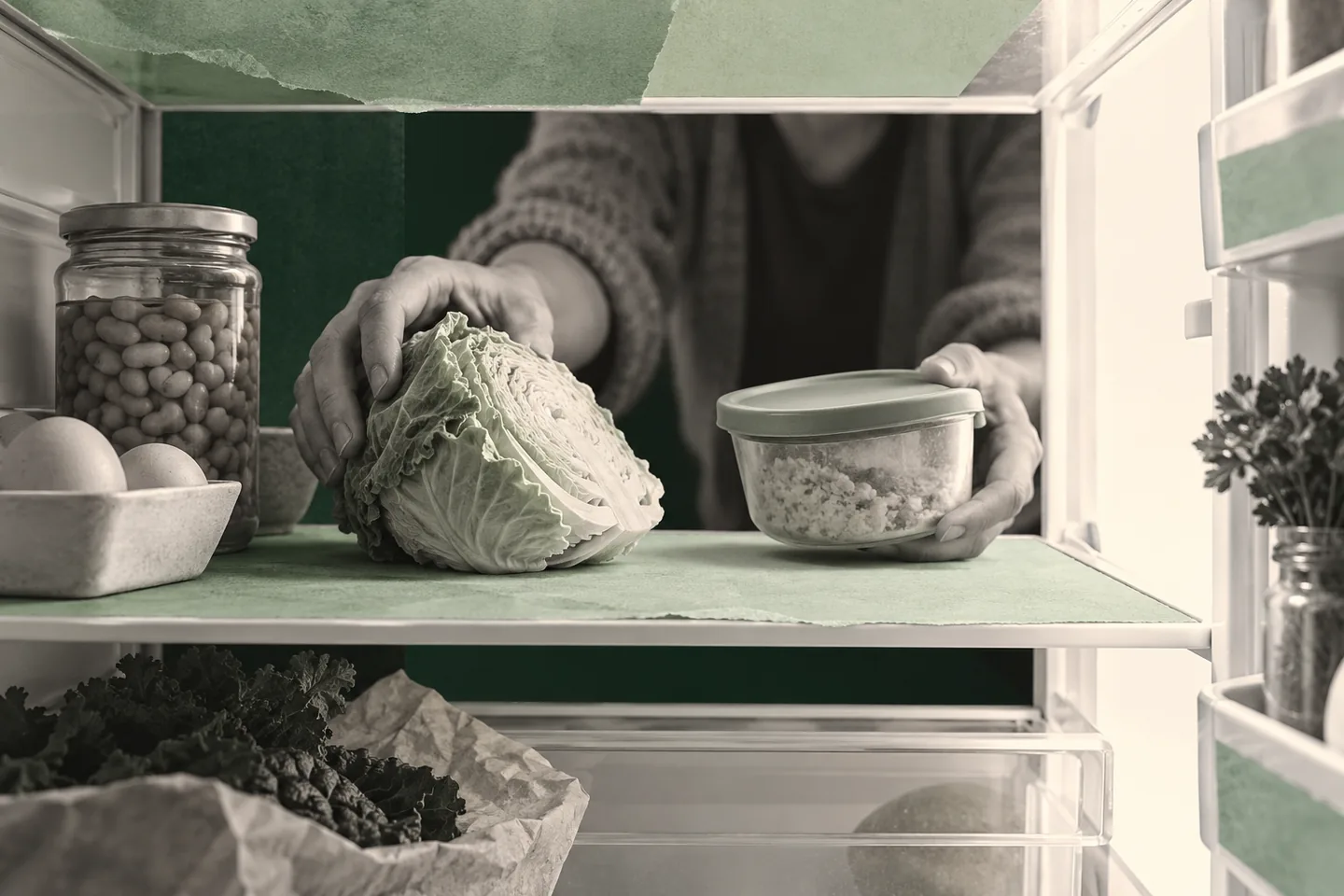
Look in the fridge, freezer and cupboards. Plan the first meals around what needs using up.
Step 2: Plan 4 to 5 dinners (5 minutes)
Not seven: leave room for leftovers and a flexible night. Build meals around cheap, versatile staples:
| Staple | Meal ideas |
|---|---|
| Rice | Stir-fry, fried rice, rice and beans |
| Pasta | Tomato pasta, pasta bake, pasta salad |
| Lentils and beans | Dal, chili, soup |
| Eggs | Omelette, shakshuka, egg fried rice |
| Potatoes | Baked potatoes, potato curry, soup |
| Frozen vegetables | Add to almost anything |
| Oats | Breakfasts, flapjacks |
Step 3: Cook once, eat twice
Choose at least two meals that make leftovers for lunch or a second dinner: chili, soup, curry, pasta bake.
Step 4: Write the shopping list (5 minutes)
List only what you need for the plan, grouped by area of the shop. Stick to it.
Step 5: Shop smart (in store)
- Compare unit prices.
- Choose own-brand basics.
- Buy frozen fruit and vegetables; they’re often cheaper and keep longer.
- Avoid shopping hungry.
Make it a habit
- Same time every week: for example, Sunday morning with coffee. See habit stacking examples.
- Keep a list of 10 go-to meals you can rotate without thinking.
- Prep once: wash and chop vegetables when you unpack. See meal prep.
- Plan with someone: a partner, housemate, or alongside others.
Disclosure: Cohorty publishes this journal. Some people book a 30-minute Cohorty session for weekly meal planning and shopping lists, alongside others doing their own admin, with no camera or chat. See how to use Cohorty.
Track the savings
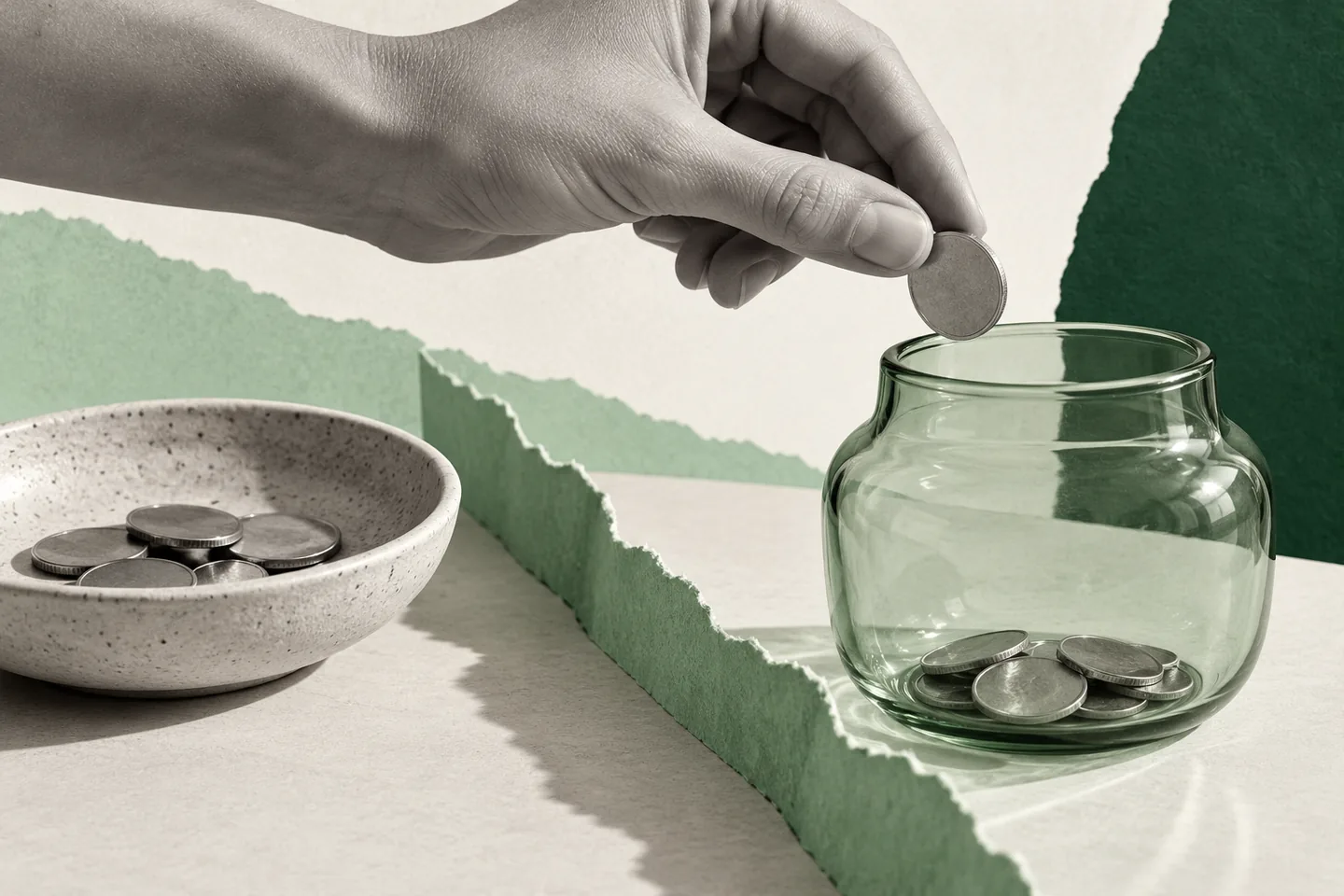
For a few weeks, note your food spending (groceries plus takeaways). Compare it with before you started. Move what you save to savings so it doesn’t disappear; see pay yourself first.
A sample budget week
| Day | Dinner | Leftovers |
|---|---|---|
| Mon | Vegetable chili with rice | Tuesday lunch |
| Tue | Pasta with tomato and lentil sauce | Wednesday lunch |
| Wed | Egg fried rice with frozen veg | |
| Thu | Leftover chili baked potatoes | |
| Fri | Flexible: use up what’s left | |
| Sat | Homemade pizza | |
| Sun | Big soup | Monday lunch |
For healthier choices within the budget, see healthy eating habits. For the bigger money picture, see money habits.
Common questions
How do I meal plan on a tight budget?
Check what you already have, plan four or five dinners around cheap staples, cook meals that make leftovers, and shop with a list.
How much can meal planning save?
It depends on how much you currently spend on takeaways, impulse buys and food waste. Tracking your food spending for a few weeks shows your own savings.
What are cheap meals to plan?
Dishes built on rice, pasta, lentils, beans, eggs, potatoes, oats and frozen vegetables, like chili, dal, soup, stir-fries and pasta bakes.
How long does meal planning take?
About 20 minutes a week once it’s a habit, plus shopping time.