The Spotlight Effect: People Notice You Less Than You Think
What the spotlight effect is, the famous T-shirt study, how it stops people starting habits like the gym, and practical ways to loosen its grip.
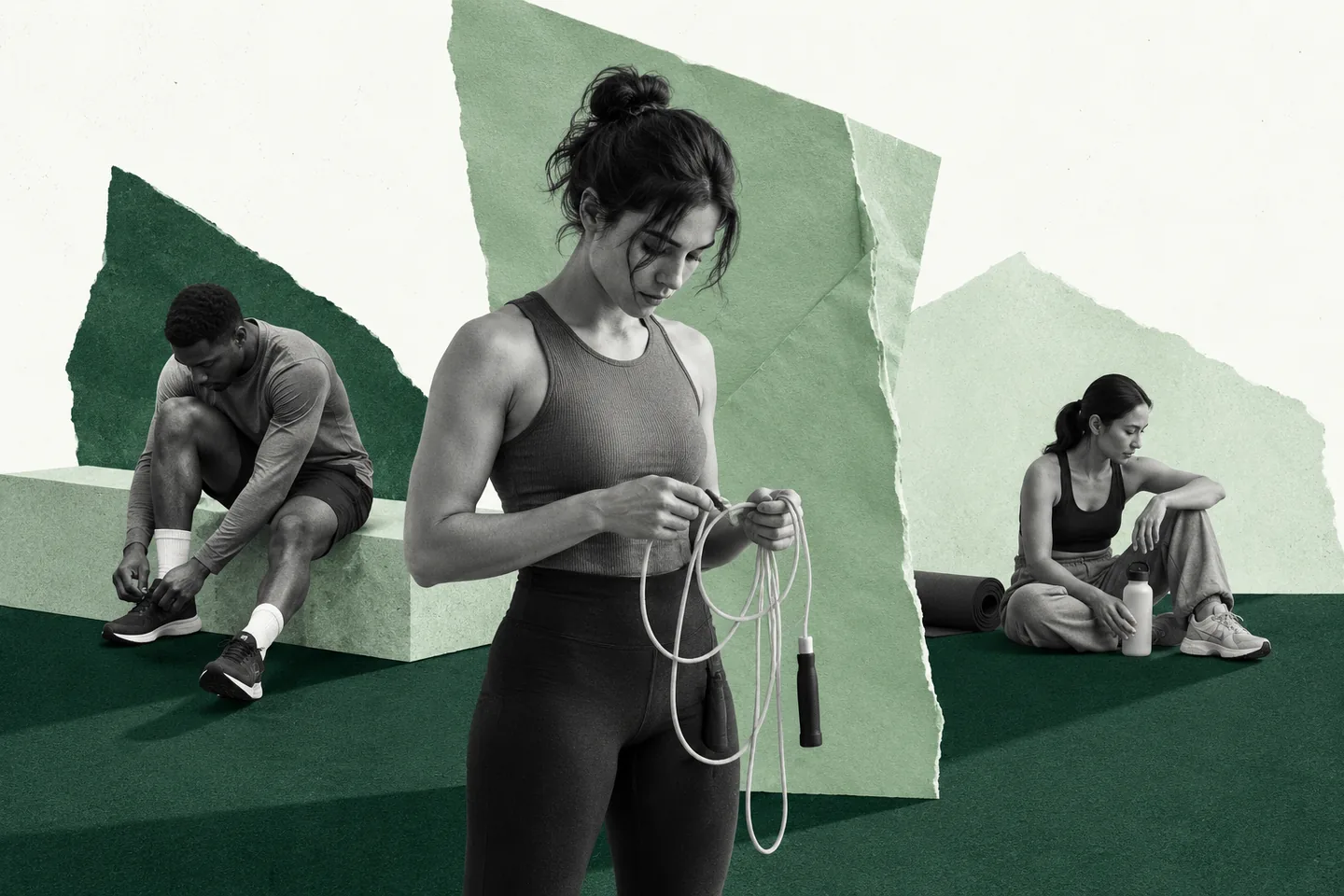
You avoid the gym because everyone will see you struggle. You don’t run outside because people will stare. You don’t speak up in the meeting because everyone will remember if you say something awkward.
Psychologists have a name for this: the spotlight effect, the tendency to overestimate how much other people notice us. This guide explains the research, how it holds people back from new habits, and what to do about it. It’s part of our accountability guides.
The T-shirt study
In a well-known study published in 2000, psychologist Thomas Gilovich and colleagues asked students to walk into a room of peers while wearing a T-shirt with a large, potentially embarrassing picture of a singer. Afterwards, the wearers estimated how many people had noticed the shirt.
The wearers guessed that about half the room had noticed. In reality, only around a quarter could recall it. People were simply less focused on them than they imagined.
Why it happens
- We’re the centre of our own experience. Our own appearance and actions are vivid to us, so we assume they’re vivid to others.
- Everyone else is busy with their own spotlight. Most people are thinking about themselves, not about you.
- We underestimate how quickly others forget. A stumble that feels huge to you is usually a passing moment for anyone who saw it.
How the spotlight effect blocks habits
- Exercise: not going to the gym or running outside because of imagined judgment.
- Learning: not asking questions or practicing a language out loud.
- Creative work: not sharing writing, art or music.
- Social habits: not joining a group or class.
How to loosen its grip
1. Remember the numbers
When you feel watched, recall the study: people notice you much less than you think, and forget faster.
2. Notice where others’ attention actually is
At the gym, look around: most people are focused on their own workout, phone or music.
3. Start in lower-visibility settings
Build confidence first: walk before running, train at quieter times, join a beginners’ class. See home gym setup if you’d rather start at home.
4. Do it alongside others doing the same
Being one of many people doing the same thing makes you less conspicuous, to yourself as well as others.
Disclosure: Cohorty publishes this journal. In Cohorty you do your habit alongside others in a 30-minute session with no camera or chat: people see your one-line plan and whether you finished, not you. See how Cohorty sessions work.
5. Practice small exposures
Do the slightly uncomfortable thing in small doses: one question in a meeting, one lap of the park. Each time, notice that the feared attention mostly doesn’t arrive.
6. Be kind to yourself
If something awkward does happen, treat it as you would a friend’s moment: brief and forgettable. See self-compassion.
The spotlight effect and accountability
The same tendency can make sharing goals feel risky. The key is to share with a few supportive people, in a way that focuses on progress rather than performance. See should you tell people your goals and the Hawthorne effect.
Common questions
What is the spotlight effect?
The tendency to overestimate how much other people notice our appearance and actions.
What was the spotlight effect experiment?
In a 2000 study by Gilovich and colleagues, students wearing an embarrassing T-shirt thought about half the room noticed it; only around a quarter actually did.
How do I stop worrying about what others think at the gym?
Remember most people focus on themselves, start at quieter times or with beginner classes, and practice small exposures to build confidence.
Is the spotlight effect a form of social anxiety?
It’s a common bias everyone has. For some people it’s part of broader social anxiety; if worry about judgment seriously limits your life, consider talking to a professional.